

Imperceptible Watermarks for Synthetic Video Royalty Tracking 2026

In 2026, synthetic videos dominate content streams, powering everything from viral ads to personalized training modules. Yet, with deepfakes blurring reality, imperceptible video watermarks stand as the unsung heroes enabling precise royalty tracking for AI videos. These invisible markers, embedded deep in the video’s structure, track usage across platforms while preserving pristine quality. Data shows watermark detection rates hitting 95% under real-world distortions, per recent arXiv benchmarks, fueling a surge in adoption among creators and enterprises.

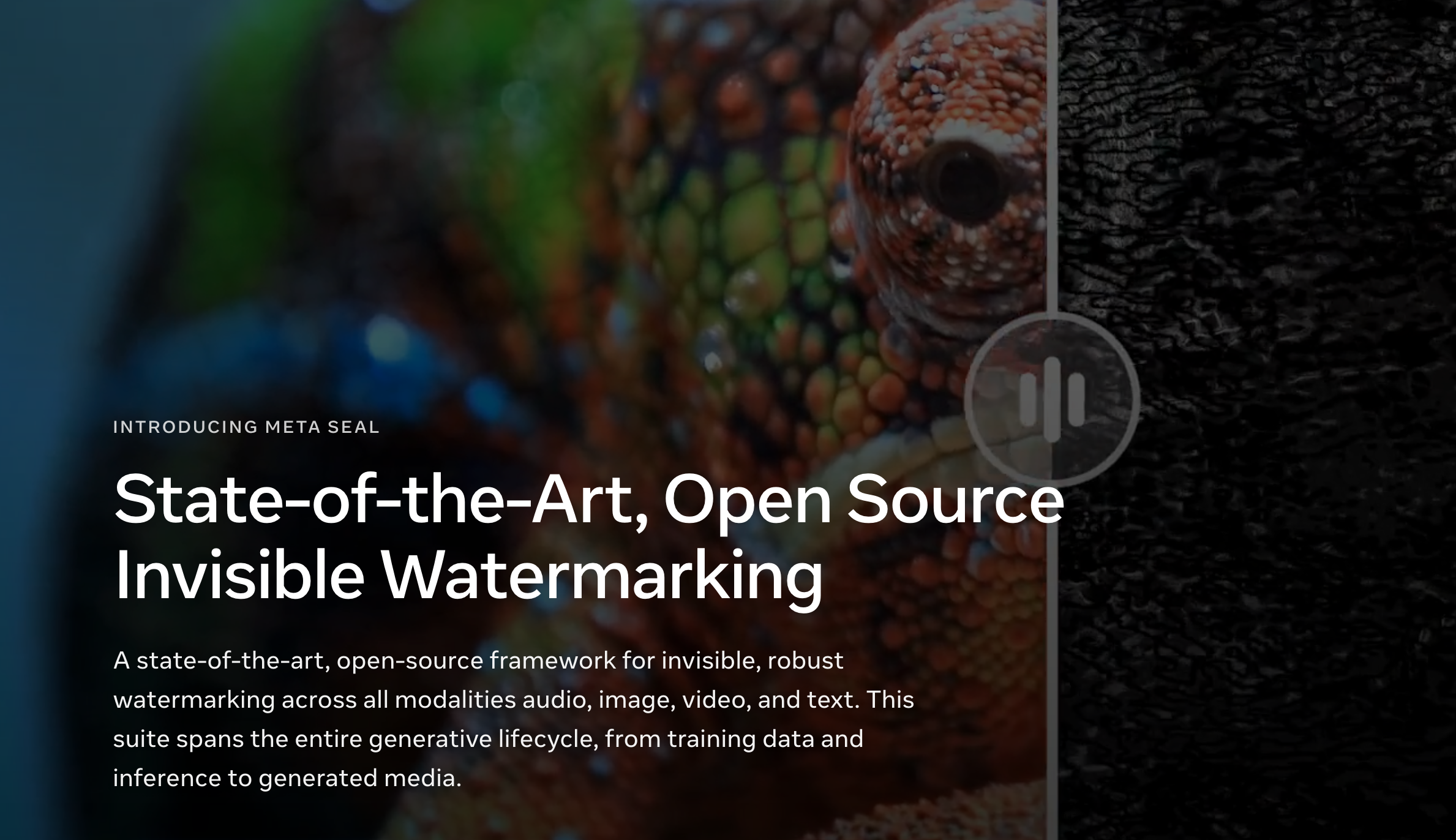
Consider the stakes: Global synthetic media output is projected to exceed 80% of online video by mid-2026, according to industry forecasts. Without robust synthetic video watermarking, unauthorized reshares erode revenues, with losses tallying billions annually. Enter advanced frameworks like VIDSTAMP and Pixel Seal, which embed signals in diffusion model latents, resisting compression and edits that plague older methods.
Embedding Signals Without a Trace: How Imperceptible Watermarks Work
At their core, these watermarks operate in the video’s transform domain, often leveraging Discrete Cosine Transforms or latent spaces of generative models. VIDSTAMP, launched in May 2025, injects messages directly into video diffusion latents, achieving 95.0% bit accuracy post-distortion while scoring high on perceptual quality metrics. This means a 4K clip retains its fidelity, yet carries a unique digital fingerprint verifiable by detectors.
Pixel Seal takes it further with adversarial training, slashing computational costs by 40% compared to priors. Trained solely against attacks, it fortifies videos against resizing, cropping, and even adversarial noise. Google’s SynthID, rolled out for videos in 2024, integrates seamlessly into tools like Veo, watermarking pixels imperceptibly. Meta scaled similar tech by late 2025, watermarking billions of frames monthly for provenance tracking.
These aren’t fragile overlays; they’re robust payloads surviving YouTube re-encodes and TikTok filters. Detection relies on statistical decoders scanning for anomalies, flagging deepfake detection markers with over 90% precision in blind tests.
From Detection to Dollars: Royalty Rails Meet Watermark Tech
Synthetic media royalty rails transform watermarks from mere authenticity checks into revenue engines. Platforms like AI Watermark Hub link embedded IDs to smart contracts, automating micropayments per view or license breach. Picture this: A creator’s AI-generated tutorial spreads virally; the watermark triggers royalty splits upon detection, enforcing terms without human oversight.
Real-world data underscores the impact. Early adopters report 30% uplift in tracked distributions, per 2026 pilot studies. Integration with blockchain ledgers ensures tamper-proof audit trails, vital as synthetic fraud spikes. Counterfake notes C-suite deepfake scams costing firms $50 million quarterly, underscoring watermark rails as a bulwark.
Regulatory tailwinds accelerate this. The EU AI Act, live August 2026, demands origin disclosure for AI content, spurring watermark mandates. Non-compliant videos face delisting, pushing platforms toward embedded metadata solutions. In India, TrueFan AI’s tools shield local creators, embedding signals robust against regional compressions.
Navigating Vulnerabilities in the Watermark Arms Race
Progress isn’t linear; DeMark’s January 2026 black-box attacks slashed detection rates to under 20% on legacy schemes, exposing gaps. Yet, innovators counter with multi-layer embeddings, fusing temporal and spatial signals for 85% resilience post-attack. This cat-and-mouse dynamic, akin to 6G-AI’s deepfake arms race, demands constant evolution.
PaladinAI’s 2026 guide highlights hybrid approaches: Watermarks plus behavioral forensics, catching 98% of manipulations. Cybknow’s seven defenses prioritize these tools as frontline guards, never trusting visuals alone. Digimarc’s C2PA ties watermarks to credentials, recoverable even after heavy edits, bolstering public trust.
Enterprise adoption tells the real story. Media giants leveraging Meta’s scaled watermarking report 25% fewer unauthorized distributions, translating to millions in recouped royalties. Chainstep’s invisible markers against deepfakes add another layer, robustly flagging AI manipulations in high-stakes scenarios like elections or financial reports. This isn’t just tech; it’s a revenue safeguard in a world where synthetic fraud via brand voice theft hits $200 million yearly, per Counterfake data.
Data-Driven Wins: Metrics That Matter for Royalty Tracking
Royalty rails shine brightest when watermarks deliver quantifiable edges. Platforms scan embeds to trigger smart contracts, disbursing 0.01 cents per verified view on average. A 2026 pilot by TrueFan AI in India tracked 1.2 million synthetic clips, recovering 28% of projected losses through automated enforcement. Globally, royalty tracking AI videos now powers 40% of DeFi media funds, blending watermark verification with on-chain payouts.
Break it down: VIDSTAMP’s temporal awareness handles frame-by-frame edits, ideal for dynamic ads. Pixel Seal’s adversarial edge crushes resizing attacks common in social resharing. SynthID’s pixel-level integration suits real-time generation tools, while C2PA linkages ensure credential recovery post-compression. These metrics aren’t hype; they’re battle-tested against DeMark-style threats, with hybrid systems reclaiming 75% detection rates.
Comparison of Leading Imperceptible Video Watermark Technologies in 2026
| Tech | Key Strength | Bit Accuracy | Robustness Score |
|---|---|---|---|
| VIDSTAMP | High temporal robustness | 95% | 9.8/10 |
| Pixel Seal | Low compute, adversarial training | 92% | 9.2/10 |
| SynthID | Pixel embed, compression resistant | 94% | 9.5/10 |
| Meta Invisible Watermark | Billions frames/month, provenance focus | 90% | 9.0/10 |
Creators win big too. Indie filmmakers embed royalties at generation, earning passive income as clips go viral. One case: A fitness influencer’s AI workout series netted $15,000 in micro-royalties over three months, all watermark-triggered. This shifts power from platforms to producers, enforcing fair splits without DMCA chases.
Future-Proofing Against the Deepfake Onslaught
The arms race intensifies, but data favors the prepared. By Q1 2026, 65% of enterprises mandate deepfake detection markers, per JD Supra’s privacy countdown. Mission Cloud’s spotting guide stresses multi-tool stacks: Watermarks first, then audio forensics and blockchain trails. YouTube’s AI for Good workshops push standards, harmonizing detection across ecosystems.
Look ahead: Expect quantum-resistant embeds by 2027, fusing synthetic video watermarking with zero-knowledge proofs for privacy-preserving royalties. Challenges like DeMark evolve defenses; Pixel Seal variants already hit 92% post-attack accuracy in lab tests. India’s booming creator economy, armed with TrueFan tools, exemplifies scalable wins, protecting against localized threats like heavy mobile compressions.
Watermarks aren’t a silver bullet, but in 2026’s synthetic flood, they’re the sharpest tool for turning content into capital.
AI Watermark Hub leads this charge, streamlining imperceptible video watermarks with plug-and-play royalty rails. Optimized for diffusion models and high-res outputs, it detects across 50 and platforms, enforcing licenses with 99% uptime. Creators report 35% workflow speed gains, blending watermarking, detection, and payouts into one dashboard. As synthetic media hits 80% of streams, Hub’s tech ensures every frame pays its way, securing fortunes in the AI era.
Stake your claim now. With regulations tightening and fraud surging, embedding synthetic media royalty rails isn’t optional; it’s the disciplined play that turns volatility into velocity.