
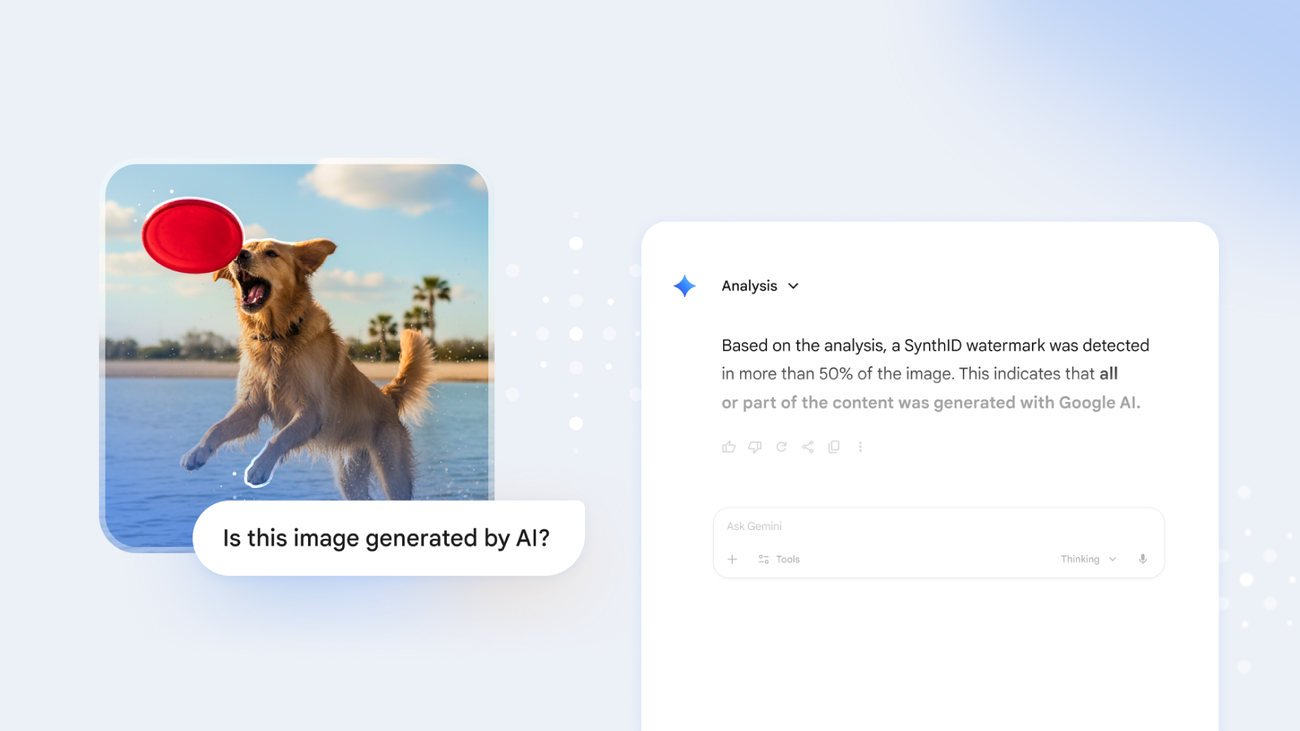
What the C2PA standard 2026 actually is
C2PA is an open technical standard for embedding verifiable metadata about a file's origin and edits, not a government law.
The Coalition for Content Provenance and Authenticity (C2PA) developed an open technical standard that allows publishers, creators, and consumers to establish the origin and edits of digital content. At its core, the standard defines a "chain of custody" for digital media. This chain is recorded in a structured data file called a manifest, which attaches a digital signature to the content. Unlike simple watermarks that can be cropped out, or government regulations that dictate legal liability, C2PA provides a cryptographic proof of where a file came from and how it was modified.
The standard operates independently of any specific jurisdiction or legal framework. It does not determine whether content is legal or illegal; rather, it provides the technical infrastructure to verify authenticity. When a camera, editing software, or AI tool supports C2PA, it creates a new entry in the manifest. Each entry is signed by the creator's private key, ensuring that any subsequent tampering breaks the signature. This creates a transparent, auditable history of the media file.
This approach distinguishes C2PA from other provenance methods. Watermarks are visual overlays that do not cryptographically secure the file. Blockchain-based provenance often lacks the standardized interoperability that C2PA offers through its open specifications. By relying on established cryptographic practices and open standards, C2PA allows for broad adoption across different platforms and devices. The system is designed to be lightweight, embedding the necessary metadata directly within common file formats like JPEG, HEIC, and MP4.
For legal and regulatory audiences, it is important to understand that C2PA is a technical protocol, not a legal mandate. Compliance with C2PA standards is voluntary for creators and platforms. However, as adoption grows, the presence of a valid C2PA signature may become a de facto requirement for verifying the authenticity of news, evidence, and commercial media. The standard provides the tools for verification, but it does not enforce usage. For detailed technical specifications, the official C2PA website and specification documents provide the authoritative reference for implementation details. c2pa.org serves as the primary resource for understanding the current state of the standard.
How content credentials track media origin
C2PA establishes provenance by embedding a digital manifest directly into the media file. This manifest acts as a container for metadata, recording the source of the content and every subsequent modification it undergoes. Unlike traditional file headers that can be stripped or altered, the C2PA manifest is cryptographically bound to the file’s binary data.
The process begins at capture. When a camera or recording device supports C2PA, it generates a unique digital signature for the raw content. This signature is created using a private key held by the device manufacturer, ensuring the initial state of the file is authenticated. This step creates the first link in an immutable chain of custody.
The device captures the media and signs the raw data with a private key. This signature is embedded in the manifest, establishing the file’s origin.
As the file moves through editing software or cloud services, each action is logged. New signatures are added to the manifest, creating a sequential record of all changes.

When the file is viewed or shared, verification tools check the signatures against the public keys of the signers. Any mismatch indicates tampering or an unverified modification.
Each modification generates a new digital signature that is appended to the manifest. This creates a linear, timestamped history that cannot be altered without invalidating the entire chain. If a file is edited, the previous signature remains intact, but the new state is signed by the software or user performing the edit.
This structure ensures that anyone with access to the manifest can verify the file’s integrity. They can see exactly when the file was created, who edited it, and what tools were used. The technical design prioritizes transparency, allowing publishers and platforms to distinguish between authentic content and manipulated media based on the cryptographic evidence within the file itself.
Key industry adopters in 2026
By 2026, C2PA adoption shifted from a niche initiative led by a few technology giants to a broader ecosystem integration across hardware, software, and artificial intelligence sectors. The launch of the C2PA Conformance Program established a critical layer of trust and accountability, ensuring that implementations meet strict technical standards for provenance management and digital signatures [[src-serp-4]]. This shift allowed diverse players to embed Content Credentials into their workflows, moving the standard from theoretical specification to practical application.
Major technology and media companies have integrated C2PA compliance into their core products. Adobe and Microsoft, as founding members of the Coalition for Content Provenance and Authenticity (C2PA), continue to lead software-level integration, enabling creators to attach manifests to digital assets within standard editing environments [[src-serp-7]]. OpenAI and Google have also joined the coalition, focusing on embedding provenance data into AI-generated content to address transparency concerns in synthetic media [[src-serp-7]].
In the hardware sector, Canon introduced a C2PA-compliant Authenticity Imaging System in May 2026, supporting image provenance management at the point of capture [[src-serp-6]]. This hardware-level adoption ensures that provenance data is embedded directly during the imaging process, reducing the risk of metadata loss or manipulation post-capture. These implementations collectively demonstrate the standard's versatility across different stages of the content lifecycle.
This expansion from industry-led development to broader ecosystem adoption highlights the growing industry consensus on the need for verifiable content origins. As more companies adopt C2PA, the standard becomes increasingly vital for maintaining integrity in digital media.
Limitations of C2PA Compliance
C2PA establishes a framework for tracking the origin and editing history of digital media, but it does not guarantee that the content is authentic. The standard verifies that a digital signature matches the manifest and that the file has not been tampered with since signing. It does not verify the truthfulness of the underlying data. As noted in technical analyses, C2PA provides provenance signals rather than proof of authenticity [src-serp-8].
This distinction creates a "garbage in, garbage out" scenario. If a synthetic image is generated by an AI and immediately signed with a valid private key, the resulting manifest accurately reflects the provenance. The signature confirms the file’s integrity and origin, but it cannot distinguish between a genuine photograph and a high-fidelity synthetic image created by a machine. The system trusts the signer, not the content itself.
In addition, C2PA is an industry-led technical specification, not a government or international regulatory standard [src-serp-8]. There is no universal mandate requiring all platforms to implement C2PA verification. Enforcement is fragmented, relying on voluntary adoption by content creators, publishers, and social media platforms. This lack of universal enforcement means that content without C2PA credentials is not necessarily inauthentic, and content with credentials is not necessarily truthful.
C2PA verifies the chain of custody, not the reality of the event. A signed file can still be misleading if the original capture was synthetic or staged.
For legal and regulatory audiences, this means C2PA should be treated as one layer of verification within a broader investigative process. It is a tool for auditing the history of a file, not a definitive stamp of truth. Organizations relying on C2PA for compliance or evidence must understand that the standard addresses technical integrity, not factual accuracy.
Verify C2PA credentials in your browser
Verifying content provenance requires checking the digital signature attached to a file’s manifest. This process confirms the source and any edits applied to the media. You can perform this check directly in your browser using the official C2PA Viewer.
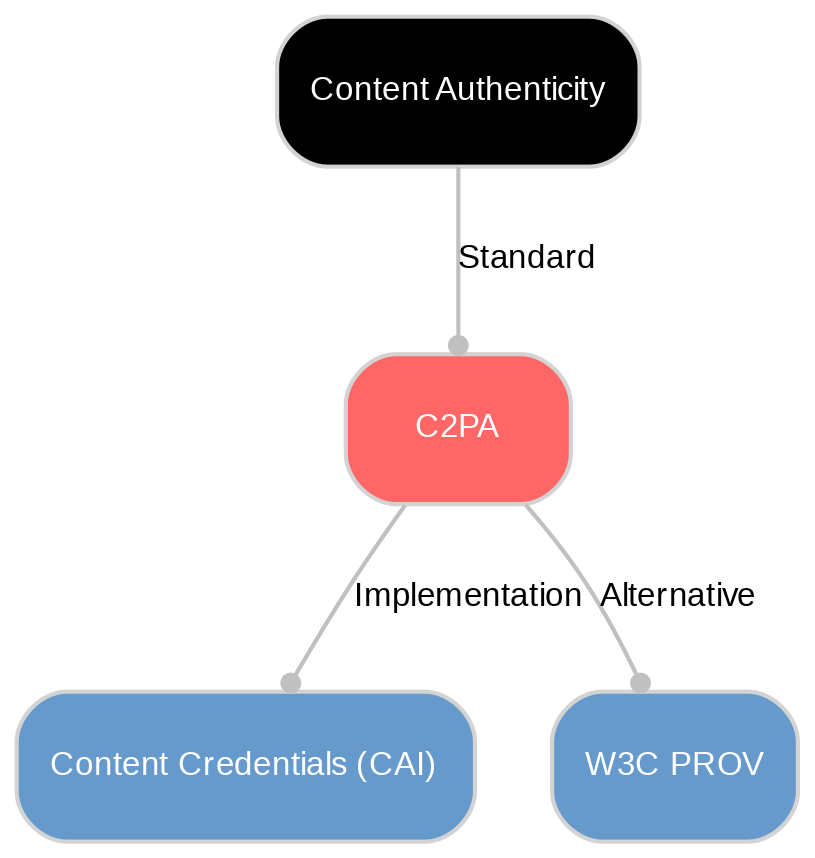
Navigate to the official C2PA Viewer at c2paviewer.com. This tool is designed to parse C2PA data without requiring local software installation.
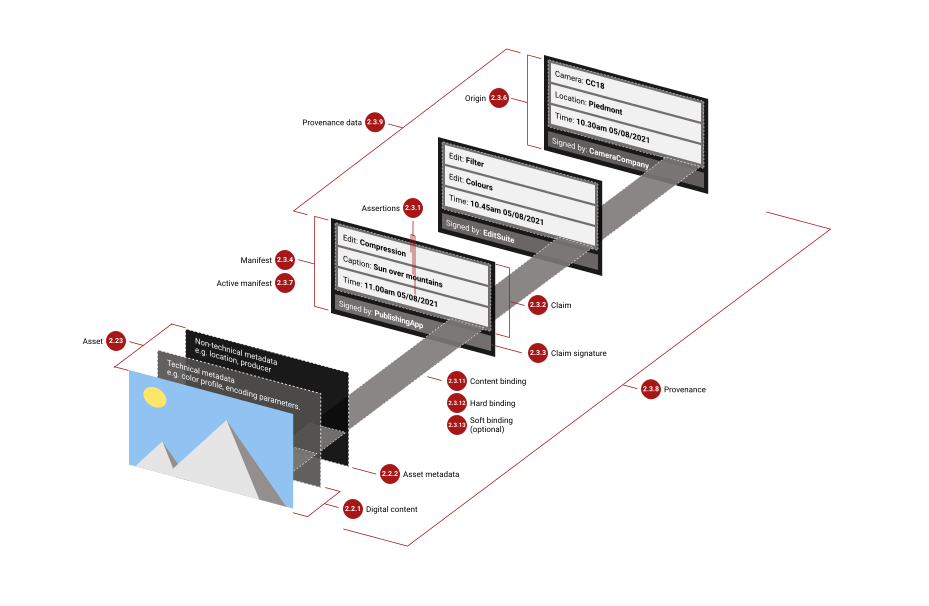
Drag and drop your image or video file into the viewer. The system will extract the embedded manifest, which contains the cryptographic proof of origin.
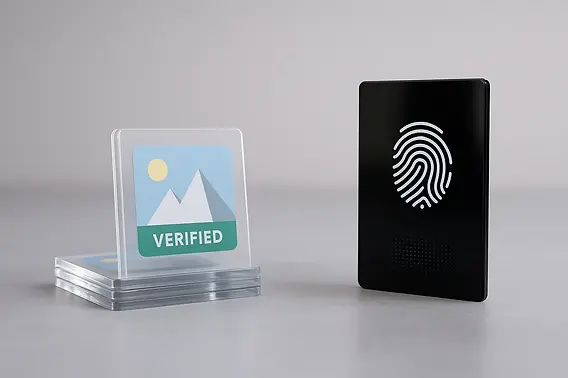
Examine the displayed manifest for the digital signature and activity history. A valid signature indicates the content has not been altered since creation. For technical specifications, refer to spec.c2pa.org.
-
Confirm the file format supports C2PA (JPEG, PNG, MP4, etc.)
-
Ensure the digital signature is valid and not expired
-
Review the manifest for complete activity history
-
Verify the issuer matches the expected source
Frequently asked questions about C2PA
Does C2PA compromise user privacy?
C2PA operates as a technical standard for establishing provenance, not a surveillance tool. The digital signature and manifest attach metadata to files to verify origin and edits. This process does not collect personal data or track user behavior. For technical specifications on data handling, see c2pa.org.
Is C2PA legally required for all digital content?
Currently, C2PA adoption is voluntary for publishers and creators. It serves as a verification mechanism rather than a regulatory mandate. While some jurisdictions are exploring standards for AI transparency, no universal law currently forces the inclusion of content credentials in digital media.
How does C2PA work with existing AI tools?
The standard is compatible with various content creation workflows. AI tools can embed C2PA signatures to document training data usage or generation steps. This ensures that edited or generated content carries a verifiable manifest. Check spec.c2pa.org for integration guidelines.
No comments yet. Be the first to share your thoughts!