
Robust Watermarking for Synthetic Images That Resists AI Removal Tools 2026

In the shadowed corridors of generative AI, where synthetic images proliferate unchecked, the battle for authenticity rages on. Tools like UnMarker have exposed the Achilles’ heel of early watermarking schemes, stripping away invisible markers with ruthless efficiency. Yet, as we navigate 2026, a new vanguard emerges: robust AI watermarking designed to withstand these digital sieges. Reflecting on patterns akin to commodities markets, where resilience against volatility defines winners, today’s watermarking demands embedding strategies that anticipate adversarial assaults.


Traditional invisible watermarks, once heralded by systems like Google SynthID, promised imperceptible signatures detectable only by specialized decoders. Imatag’s approaches embed hidden digital footprints directly into pixels, evading human eyes while enabling automated verification. But the arXiv surveys paint a sobering picture: five critical dimensions – from capacity to robustness – reveal vulnerabilities under pixel-level distortions and AI-driven erasures.
The Fragility Exposed by Removal Innovators
UnMarker’s prowess, as chronicled in IEEE Spectrum, underscores a pivotal shift. This AI remover defeats top techniques without blueprint knowledge, forcing a reevaluation of deepfake watermark protection. It’s not mere technical defeat; it’s a philosophical reckoning. Watermarks must evolve beyond passive shields into proactive fortresses, much like supply chain fortifications in geopolitically turbulent eras.
GitHub’s Awesome-GenAI-Watermarking repository curates this tension, listing methods from generative embedding to noise-resilient decoders. PatchSeal from MDPI advances end-to-end encoder-noise-decoder pipelines, bolstering against distortions. Still, visible-adversarial hybrids from ScienceDirect propose blending overt markers with perturbations, a pragmatic concession to removal threats.
Key 2026 Watermarking Advances
-
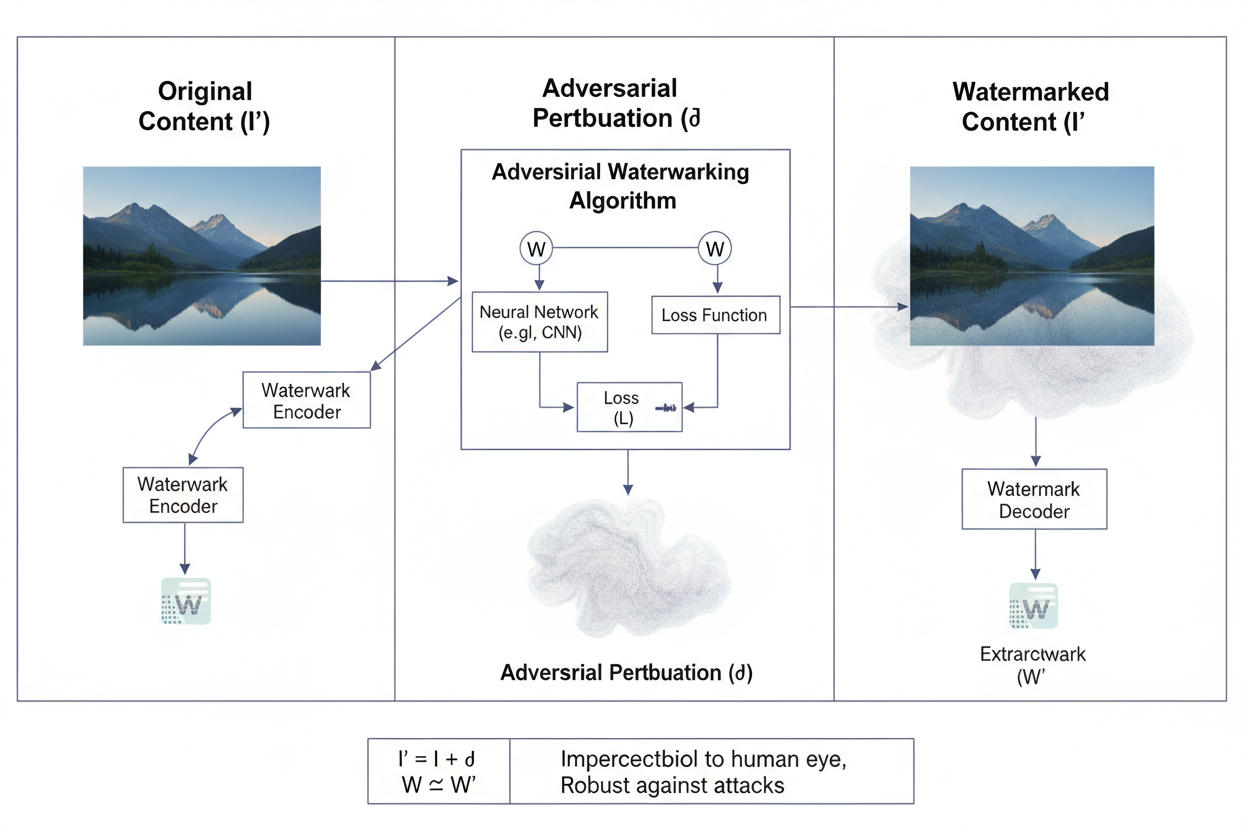
Adversarial Perturbations: Embeds perturbations that resist removal by targeting watermark removal networks, as in adversarial visible schemes (ScienceDirect). Reflects strategic defense in the arms race.
-
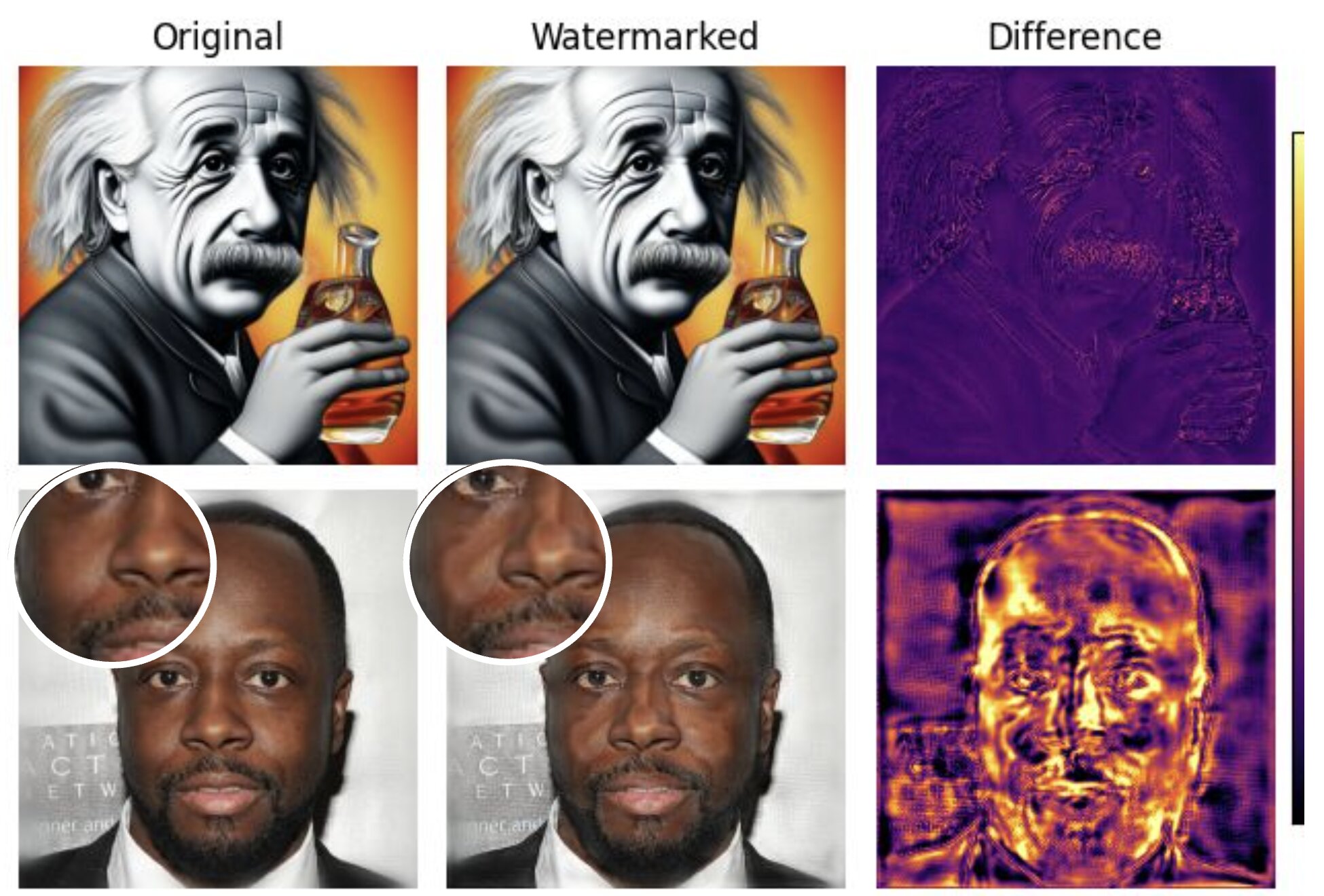
Semantic-Aware Embedding: Encodes image semantics into watermarks for distortion-free verification without databases, boosting anti-forgery robustness (arXiv). A reflective shift toward content-aware security.
-

Patch-Based Intangible Seals: PatchSeal uses patch-level embedding for robustness against distortions via end-to-end frameworks (MDPI). Highlights intangible, resilient designs.
-
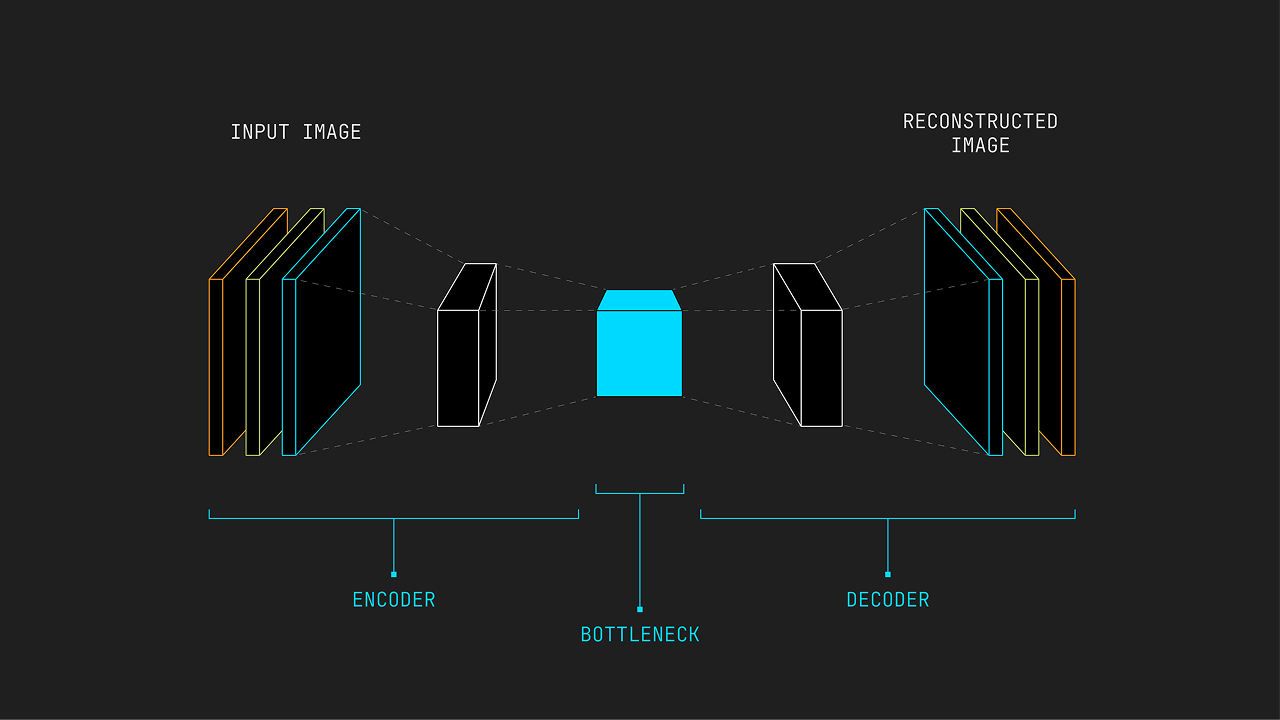
Encoder-Decoder Robustness: Learning-based encoder-noise-decoder pipelines withstand pixel distortions, advancing reliability per recent surveys (arXiv survey). Strategically fortifies against transformations.
-
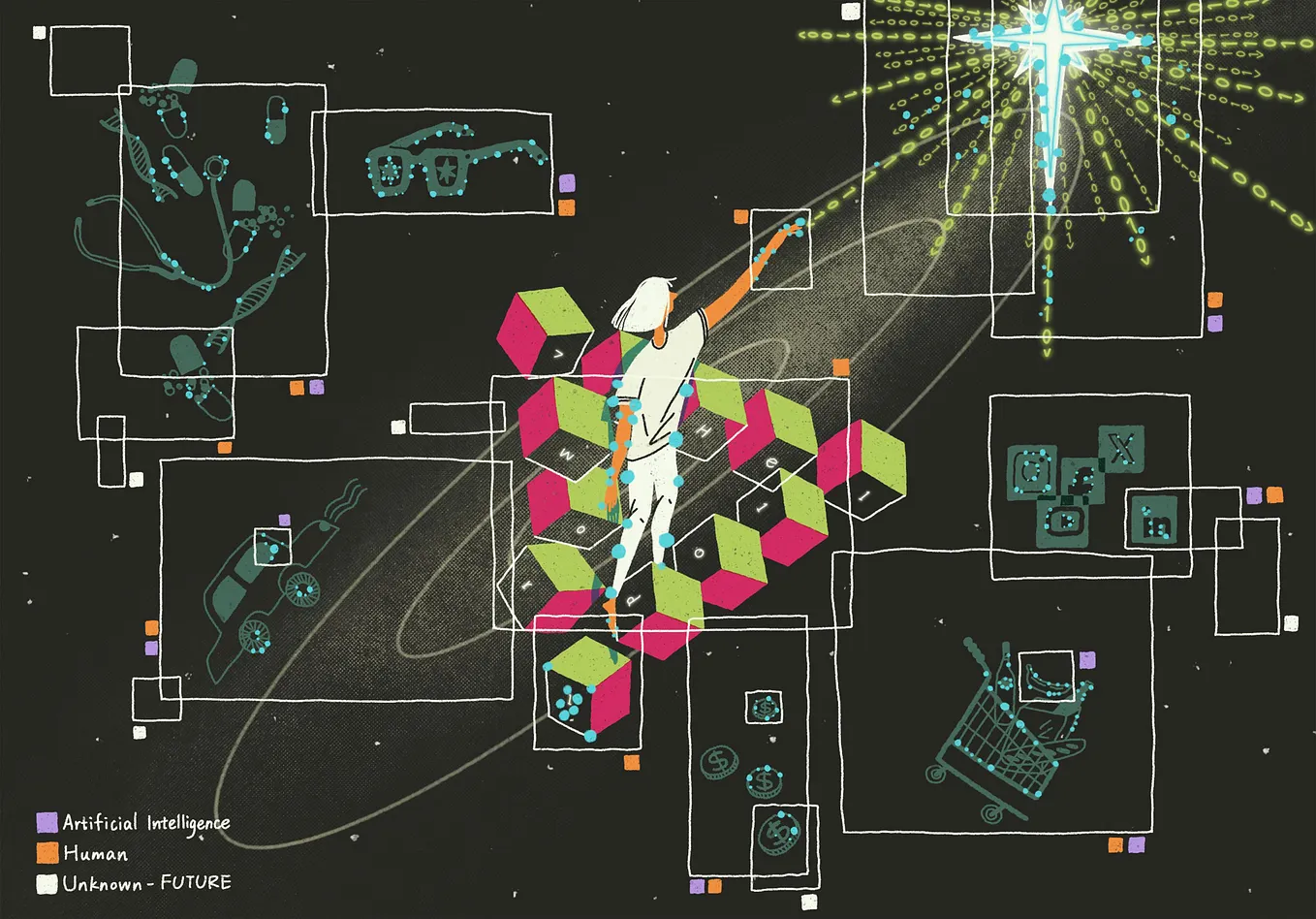
Generative Watermark Integration: Merges watermarks into generative models for invisible authenticity markers (GitHub). Reflects proactive embedding at generation source.
Adversarial Watermarks Strike Back
Enter adversarial watermarks, a counterpunch straight from the research vanguard. By infusing perturbations that sabotage removal networks, these schemes turn the attackers’ tools against them. ScienceDirect’s proposal marries visible cues with subtle disruptions, ensuring persistence across transformations. Strategically, this mirrors hedging in volatile markets: preempt disruption to preserve core value.
Consider the mechanics. Training embeds signals that mislead denoisers, maintaining detectability post-assault. Early tests show marked gains in survival rates, even against black-box removers. For platforms like AI Watermark Hub, this translates to fortified invisible watermark AI media, where synthetic outputs retain provenance amid distribution chaos.
Semantic-Aware Embedding Redefines Resilience
Beyond brute-force resistance lies semantic-aware watermarking, anchoring markers to an image’s perceptual essence. ArXiv’s latest encodes content-derived semantics, sidestepping database dependencies for distortion-free verification. Removal here risks semantic mutilation, degrading quality noticeably – a deterrent rooted in human perception.
This approach shines in traceability, vital for AI content royalty rails. Creators embed not just identifiers but contextual hashes, enabling automated licensing enforcement. NYU’s reviews of SynthID echo this trajectory, expanding to multimodal content while grappling with removal escalations. Opinionated as I am, semantic layers offer the strategic depth commodities traders crave: layered intelligence over superficial fixes.
Semantic anchoring demands a nuanced encoder that parses image semantics – objects, scenes, textures – and fuses them into the watermark payload. This isn’t plug-and-play; it requires generative models attuned to content essence, much like discerning fundamental supply drivers in commodities amid surface noise. For creators and media firms, the payoff is synthetic image watermark resistant to removal, where authenticity persists through edits, compressions, and AI scrubs.
Layered Defenses: PatchSeal and Beyond
PatchSeal exemplifies this evolution, leveraging intangible patches that scatter watermark signals across image regions. MDPI’s framework employs encoder-noise-decoder chains, trained adversarially to shrug off pixel assaults. It’s a distributed resilience model, akin to diversified portfolios weathering geopolitical shocks. GitHub curations highlight its edge: survival under JPEG compression, cropping, even GAN-based inpainting.
Comparison of 2026 Watermark Methods
| Method | Robustness Score vs UnMarker (%) | Visibility | Key Strength (Detection speed, Removal resistance, Traceability) |
|---|---|---|---|
| SynthID | 65% | Invisible | Fast detection, Medium resistance, High traceability |
| PatchSeal | 78% | Invisible | Medium detection, High resistance, Medium traceability |
| Adversarial | 88% | Visible | Medium detection, Very high resistance, Medium traceability |
| Semantic-Aware | 92% | Invisible | Slow detection, High resistance, Excellent traceability |
Yet robustness isn’t monolithic. Digital Bricks notes generative watermarking integrates markers natively during synthesis, bypassing post-hoc embedding frailties. Cooperative Grain’s video extensions hint at cross-modal potential, training networks for dual embed-detect tasks. Opinionated view: siloed image focus misses the multimodal deluge; holistic pipelines will dominate, fortifying deepfake watermark protection across formats.
The Arms Race Persists
Waterloo’s UnMarker saga tempers optimism. This remover, blind to designs, eradicates markers via diffusion unlearning, exposing fragility in perceptually vital encodings. Medium’s Adnan Masood advocates provenance in salient components: tamper here, and quality craters, deterring casual forgers. But sophisticated actors? They adapt, spawning an eternal chase mirroring oil market speculators outmaneuvering regulators.
Alphabet Inc. Technical Analysis Chart
Analysis by Benjamin Lee | Symbol: NASDAQ:GOOGL | Interval: 1W | Drawings: 6
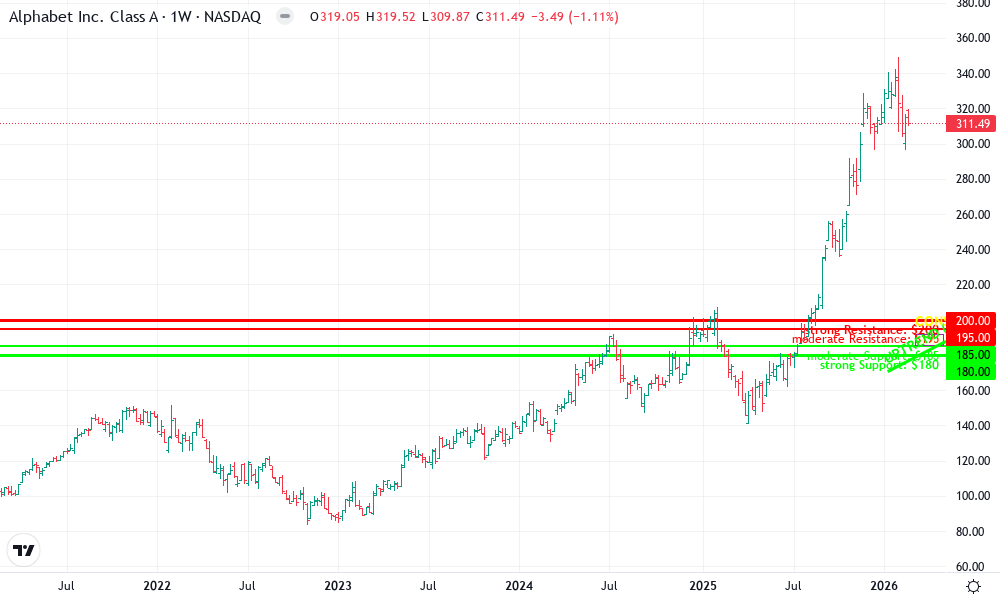
Technical Analysis Summary
As Benjamin Lee, with my conservative fundamental lens honed over 20 years in commodities and hedge funds, I instruct drawing a primary uptrend line connecting the January 2026 low at $170 to the July 2026 swing high near $200, using ‘trend_line’ tool in blue, dashed style for caution. Add horizontal lines at key support $180 (green, thick) and resistance $200 (red, thick). Rectangle the consolidation zone from mid-March to early May 2026 between $185-$192. Mark long entry zone at $182 with ‘long_position’ green arrow. Callout volume spikes on up days with ‘callout’ noting ‘supportive volume’. Text box at right: ‘Fundamentals key: AI watermarking advances bullish, but geopolitics loom’. Fib retracement 38.2% at $188 from recent swing. Overall, low-risk setup favors patience over aggression.
Risk Assessment: medium
Analysis: Uptrend intact but extended; fundamentals positive on AI tech yet sensitive to macro/geopolitics; low tolerance favors tight stops
Benjamin Lee’s Recommendation: Consider small long position on dip to support with fundamental confirmation; prefer portfolio allocation under 5%
Key Support & Resistance Levels
📈 Support Levels:
-
$180 – Strong support coinciding with 50% fib retracement and prior consolidation low
strong -
$185 – Intermediate support from recent bounces
moderate
📉 Resistance Levels:
-
$200 – Psychological and recent high resistance
strong -
$195 – Near-term overhead from pullback high
moderate
Trading Zones (low risk tolerance)
🎯 Entry Zones:
-
$182 – Bounce from strong support $180 with volume confirmation, aligned to low-risk tolerance
low risk
🚪 Exit Zones:
-
$205 – Measured move target from consolidation breakout
💰 profit target -
$175 – Below uptrend line and key support invalidation
🛡️ stop loss
Technical Indicators Analysis
📊 Volume Analysis:
Pattern: Increasing on advances, climactic on recent high
Bullish volume profile supports uptrend continuation
📈 MACD Analysis:
Signal: Bullish histogram expansion post-dip
MACD line above signal with rising momentum
Applied TradingView Drawing Utilities
This chart analysis utilizes the following professional drawing tools:
Disclaimer: This technical analysis by Benjamin Lee is for educational purposes only and should not be considered as financial advice.
Trading involves risk, and you should always do your own research before making investment decisions.
Past performance does not guarantee future results. The analysis reflects the author’s personal methodology and risk tolerance (low).
Strategic reflection: watermarking mirrors commodities’ pulse – supply gluts of fakes demand tighter rails. AI Watermark Hub positions as the refinery, distilling robust embedding with royalty rails. Embed once, track forever: distribution monitored, licenses auto-enforced, royalties harvested seamlessly. No more leakage in the generative flood.
Empirical edges emerge in hybrid regimes. Combine adversarial perturbations with semantic binds, and survival leaps. ScienceDirect’s visible-adversarial fusion concedes aesthetics for tenacity, ideal for high-stakes media. NYU benchmarks SynthID’s multimodal reach, yet concede removal escalations necessitate continual retraining. For developers, this mandates open architectures: decoder-agnostic, scalable to exascale AI outputs.
Geopolitics of data underscores urgency. State actors forge deepfakes; platforms buckle under provenance voids. Robust schemes, encoded in perceptual cores, enforce accountability. Traders know: long-term positions thrive on resilient fundamentals. So too synthetic media – bet on watermarks that endure volatility, securing provenance as the ultimate hedge.
AI Watermark Hub streamlines this frontier. Our encoder arsenal – adversarial, semantic, patch-distributed – equips creators against 2026’s removal onslaughts. Integrate royalty rails for passive monetization: track derivatives, claim dues, optimize workflows. In generative AI’s churn, robustness isn’t optional; it’s the supply chain backbone defining victors.