

Imperceptible Watermarks for Synthetic Video in Media Licensing 2026

In the shadowed corridors of media licensing, where synthetic videos now pulse like the world’s hidden supply chains, imperceptible watermarks emerge as the unseen guardians of authenticity. As a veteran observer of global flows – from commodities to content – I’ve long noted how fundamental drivers like regulation and technology reshape markets. By 2026, these invisible markers have woven themselves into the fabric of synthetic video watermarking, offering creators and licensors a strategic edge against the deepfake deluge.

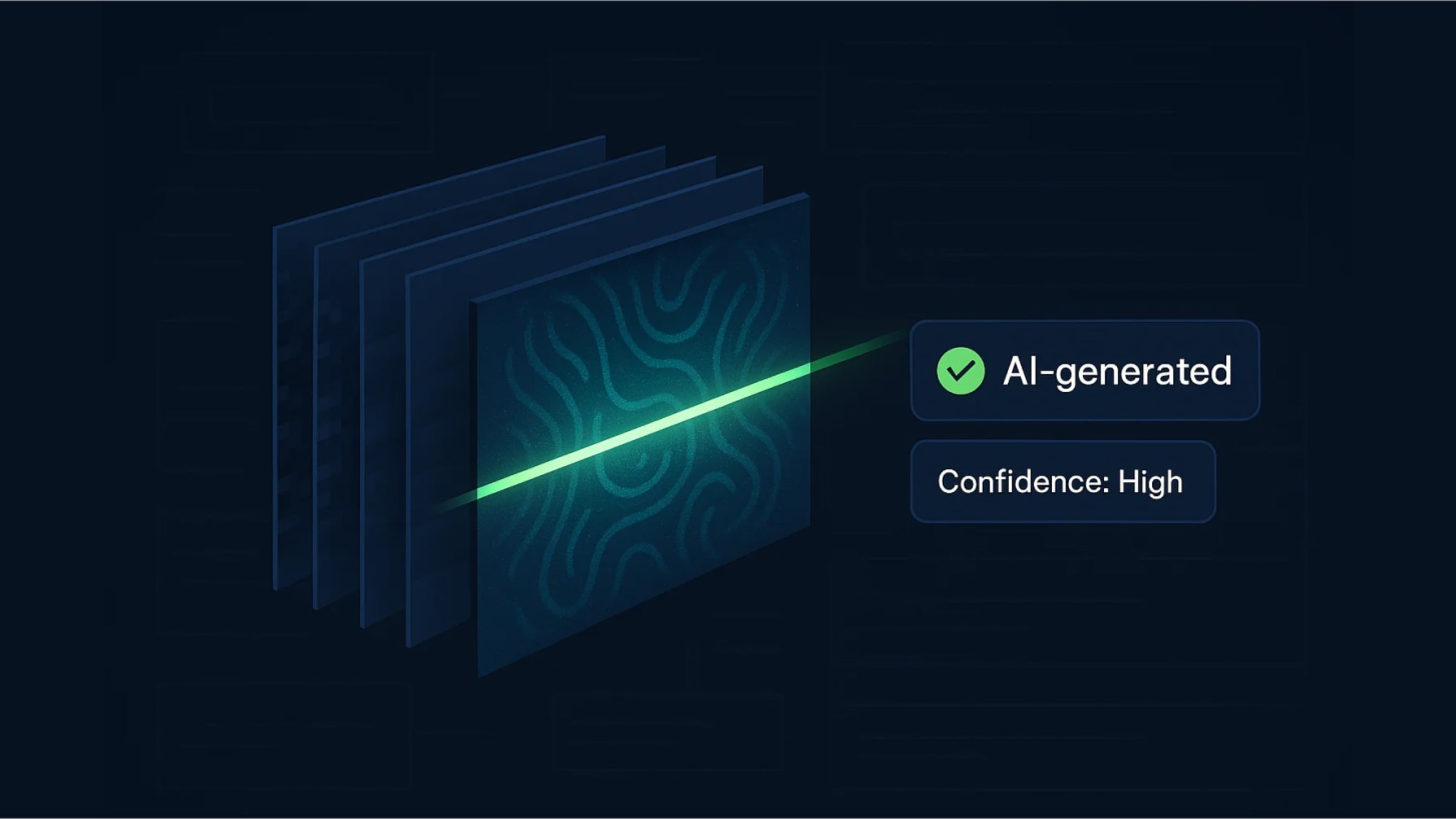
The proliferation of generative AI has flooded platforms with content that blurs reality’s edge. TikTok’s trials with invisible watermarks stand out; these signals endure downloads, edits, and compressions, much like resilient commodities weathering geopolitical storms. Platforms embedding such tech not only detect synthetic media but also pave royalty rails for seamless monetization. Reflecting on this, I see parallels to how supply chain traceability revolutionized trading – now, imperceptible video watermarks do the same for digital assets.
Regulatory Mandates Reshaping Media Licensing
California’s SB 942, effective January 1,2026, marks a pivotal shift. It demands that all synthetic visual assets carry auditable watermarks, with fines looming for laggards. This isn’t mere bureaucracy; it’s a geopolitical maneuver in the content wars, forcing media companies to prioritize AI video protection licensing 2026. Washington’s HB 1170 echoes this, targeting deepfakes with metadata mandates for substantially modified generative content.
Arizona’s bills and India’s emerging frameworks signal global momentum. The Coalition for Content Provenance and Authenticity (C2PA) standard, now ubiquitous, embeds cryptographically signed metadata into files. This ensures origin verification, critical for licensing disputes. Strategically, early adopters gain a moat; those delaying risk commoditization of their IP in an era where synthetic videos dominate feeds.
Technological Pillars of Robust Watermarking
At the core lies sophistication beyond visible stamps. SynthID’s deep learning models integrate watermarks into text and extend to video via transform domains like Discrete Cosine Transforms. Steg. AI and SafetyKit exemplify this, verifying authenticity against generative misuse. Cornell’s light-based secret codes add layers, detecting manipulations in captured footage.
Key Benefits of Imperceptible Video Watermarks
-

Persistent through edits: Survives compression, cropping, and downloads, as in TikTok’s AI video implementation and mAVE framework.
-
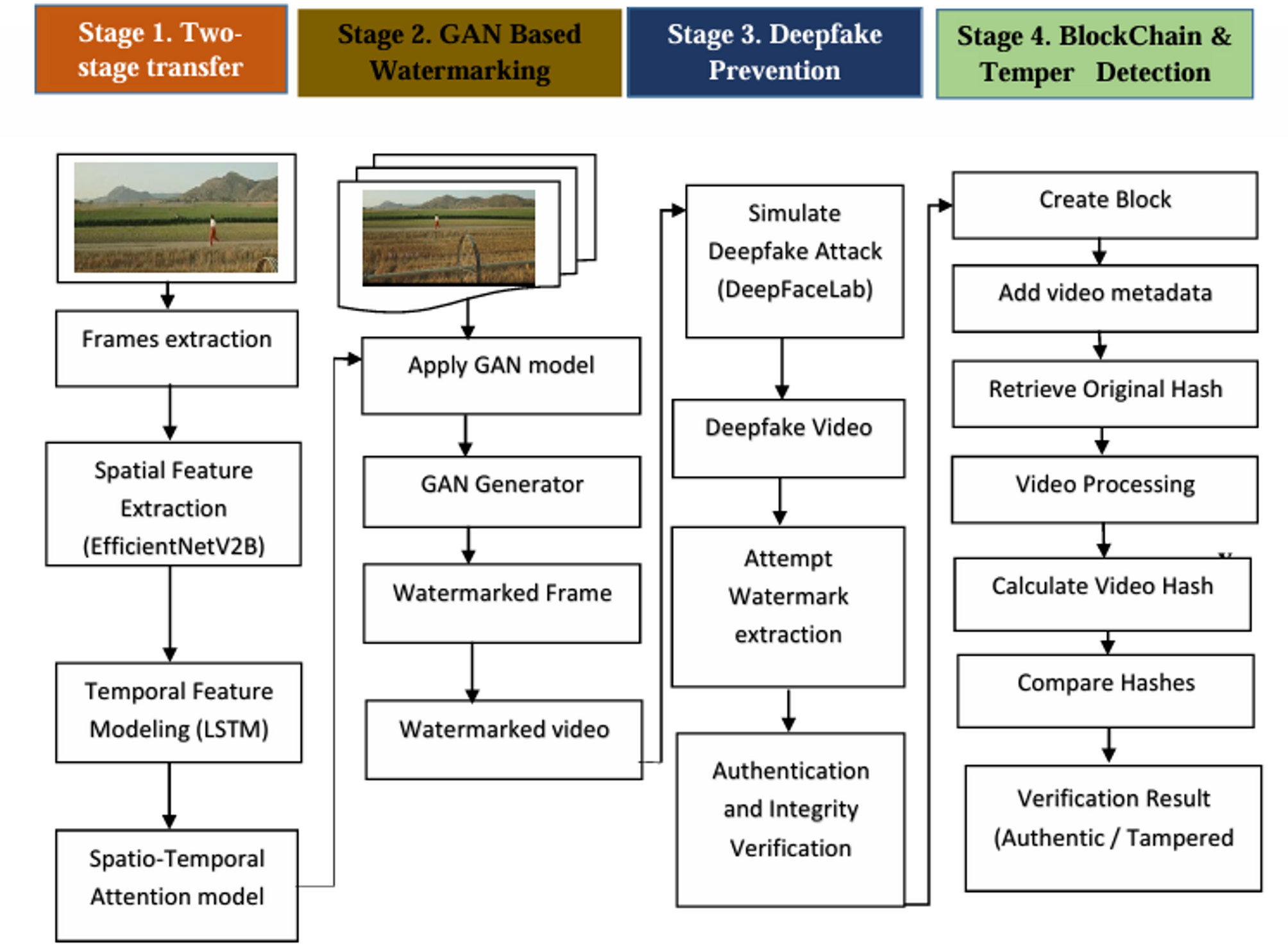
Enables deepfake detection: Detects synthetic media via hidden signals, powering tools like Steg.AI and ASU’s invisible watermark system.
-
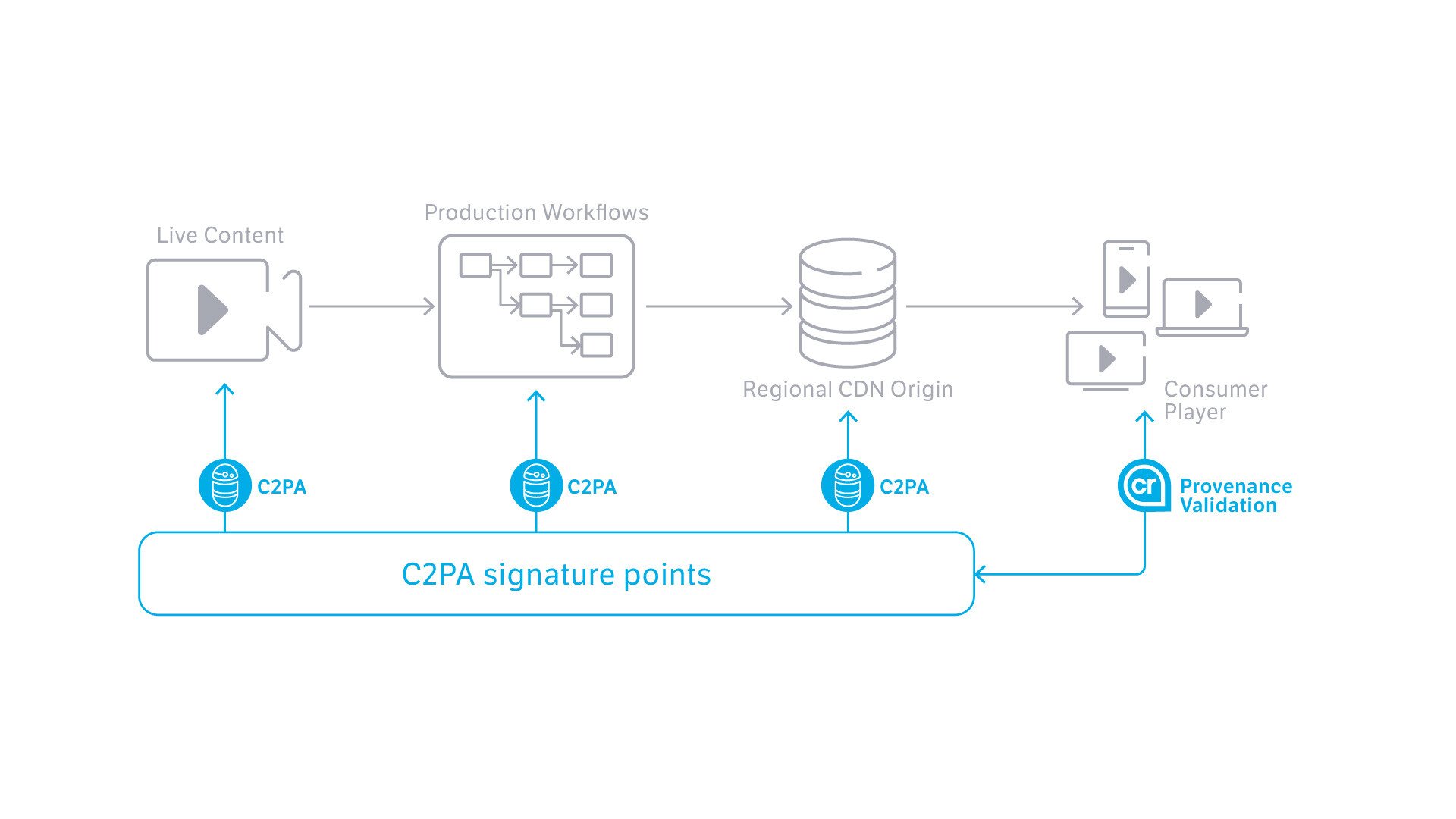
Supports royalty rails automation: Tracks provenance for automated licensing payments, leveraging C2PA metadata in media workflows.
-
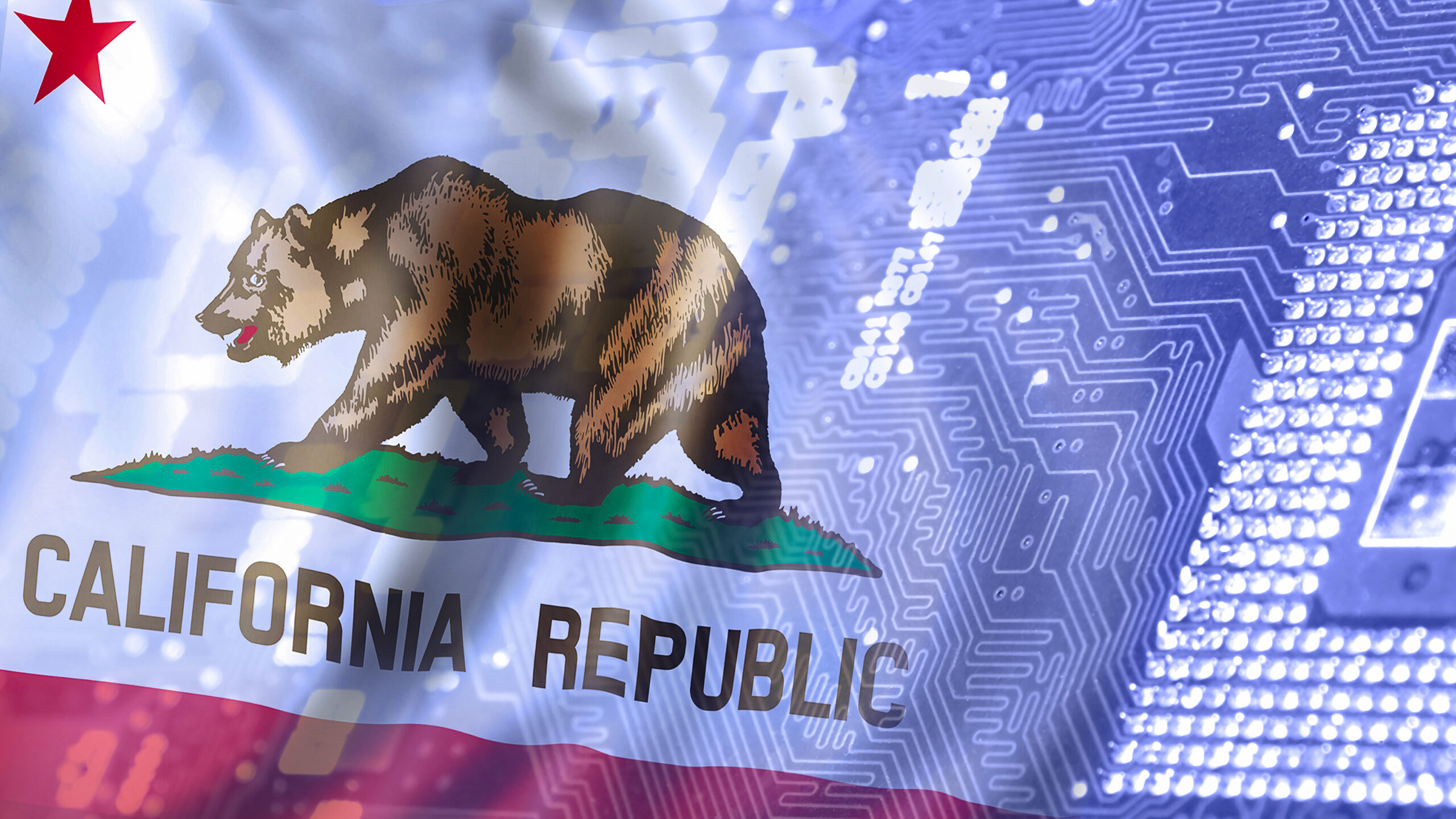
Ensures regulatory compliance: Meets mandates like California’s SB 942 requiring watermarks on synthetic assets.
-
Enhances media licensing trust: Verifies authenticity via cryptographically signed metadata, as standardized by C2PA.
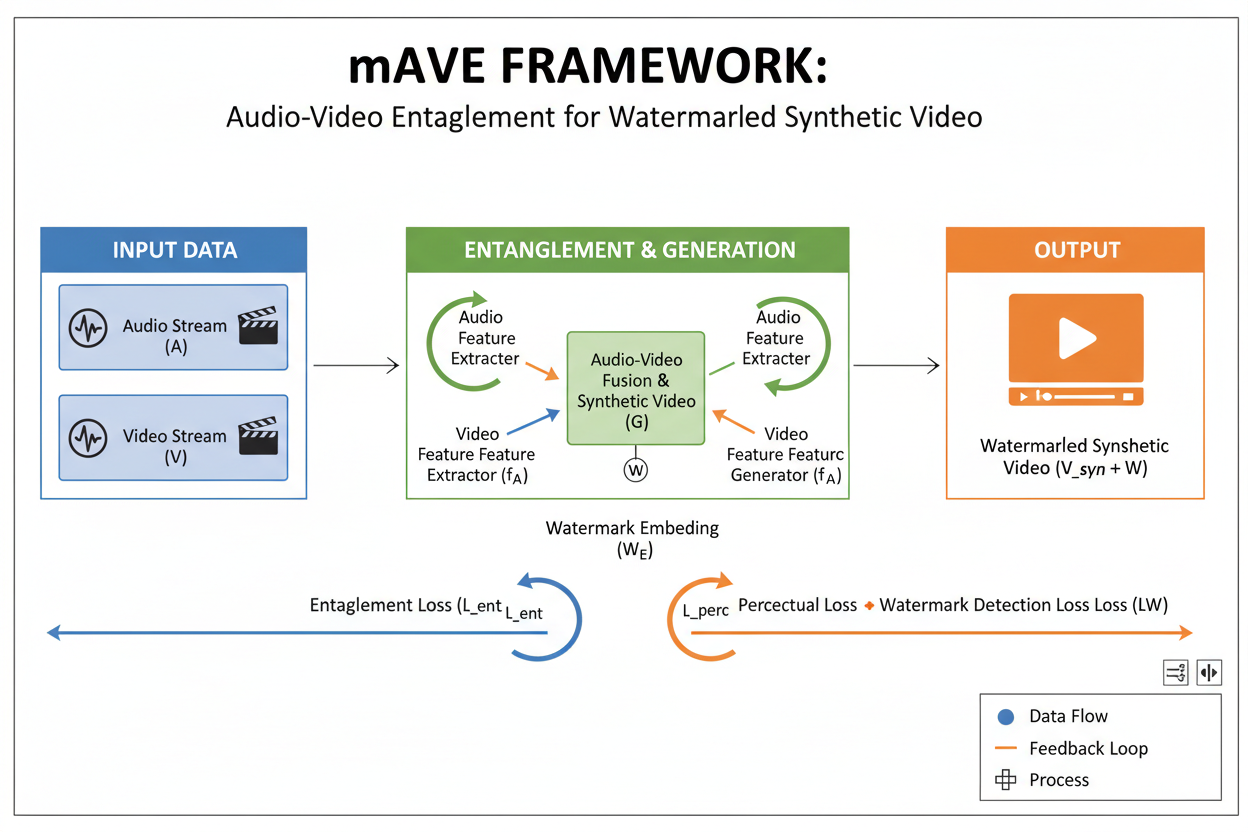
The mAVE framework entangles audio and video cryptographically, binding modalities in joint models. This defends against adversaries who strip markers, a persistent challenge. ASU’s invisible systems further this, aligning with bills requiring AI content labeling. From my vantage, these innovations mirror hedging strategies – proactive, layered, essential for long-term positions in synthetic media markets.
Bridging Watermarks to Royalty Rails
Imperceptible watermarks transcend detection; they fuel royalty rails synthetic media ecosystems. By tracking distribution invisibly, they automate licensing enforcement and revenue collection. Imagine a synthetic video licensed across platforms: watermarks trigger smart contracts, ensuring creators capture value without manual oversight. This reflects the pulse of a maturing market, where authenticity drives liquidity.
In media licensing, deepfake detection media licensing now hinges on these tools. TrueFan AI’s transform-domain embeddings protect content in high-growth regions like India. Generative watermarking embeds machine-readable signatures, verifiable at scale. Yet, robustness demands vigilance; removal attacks evolve, urging continuous R and amp;D. Platforms like TikTok demonstrate viability, persisting markers foster trust essential for 2026’s licensing boom.
Adversaries, much like speculators probing market weaknesses, continually devise ways to excise these digital sentinels. Removal techniques range from adversarial training to noise injection, testing the mettle of watermarking frameworks. Yet, this cat-and-mouse dynamic spurs innovation; mAVE’s entanglement of audio-visual streams exemplifies a resilient countermeasure, cryptographically fusing elements that resist tampering. From a strategic lens, investing in such layered defenses parallels diversifying commodity portfolios – redundancy ensures survival amid volatility.
Media companies navigating AI video protection licensing 2026 must weigh these tensions. Early integration of C2PA-compliant tools not only sidesteps fines but positions firms for premium licensing deals. Platforms detecting watermarked content can prioritize verified synthetic videos, creating a virtuous cycle of trust and revenue. Reflecting on supply chain parallels, traceability once transformed opaque commodity trades into transparent markets; today, imperceptible video watermarks illuminate the synthetic media ecosystem.
Strategic Imperatives for Content Creators
For creators and licensors, the path forward demands proactive embedding. Tools from Steg. AI and SafetyKit offer plug-and-play detection, verifying against deepfake incursions. Cornell’s light-encoded secrets provide novel forensics for real-world captures, while SynthID’s models scale to video domains. Opinionated as I am, I’d argue that overlooking these is akin to ignoring geopolitical supply risks – shortsighted in a world where synthetic videos command feeds and fortunes.
Royalty rails amplify this potency. Watermarks serve as digital passports, automating provenance checks at distribution points. A licensed clip proliferates across TikTok and beyond; embedded signals trigger micropayments via smart contracts, capturing value that once evaporated in the shadows. This frictionless flow mirrors efficient commodity exchanges, where clear title deeds liquidity. In high-stakes media licensing, such systems fortify balance sheets against unauthorized exploitation.
Global variances add nuance. India’s transform-domain protections via TrueFan AI cater to booming creator economies, while Arizona’s bills mandate labeling for political content. Washington’s deepfake focus underscores metadata’s role in accountability. Strategically, multinational players standardize on C2PA to streamline cross-border licensing, mitigating fragmentation risks.
Future Horizons in Watermark Evolution
Looking ahead, quantum-resistant cryptography looms as the next frontier, safeguarding watermarks against computational leaps. Collaborative standards bodies will likely mandate multi-modal robustness, blending video, audio, and even text signatures. For investors in content tech, this signals a bullish arc; markets rewarding verifiable IP will outpace the untraceable fray.
Ultimately, these invisible threads stitch authenticity into the synthetic tapestry, empowering creators to thrive amid generative abundance. As commodities echo the world’s pulse through traceable flows, so too will synthetic video watermarking define media’s enduring value. Licensors embracing deepfake detection media licensing today secure tomorrow’s royalties, navigating 2026’s currents with foresight and fortitude.