
Hive AI Deepfake Detector Integration with Synthetic Media Watermarking Tools

In the escalating arms race between AI-generated content creators and detectors, Hive AI deepfake detection stands out as a formidable player, challenging the long-held reliance on watermarks alone. As synthetic media floods platforms, from viral videos to misleading images, traditional watermarks prove increasingly fragile. Hive’s machine learning models dissect visual and audio signals at scale, pinpointing synthetic artifacts that evade human eyes and even watermark removal tools. This approach promises a more resilient layer for AI content verification tools, especially when paired with watermarking strategies.

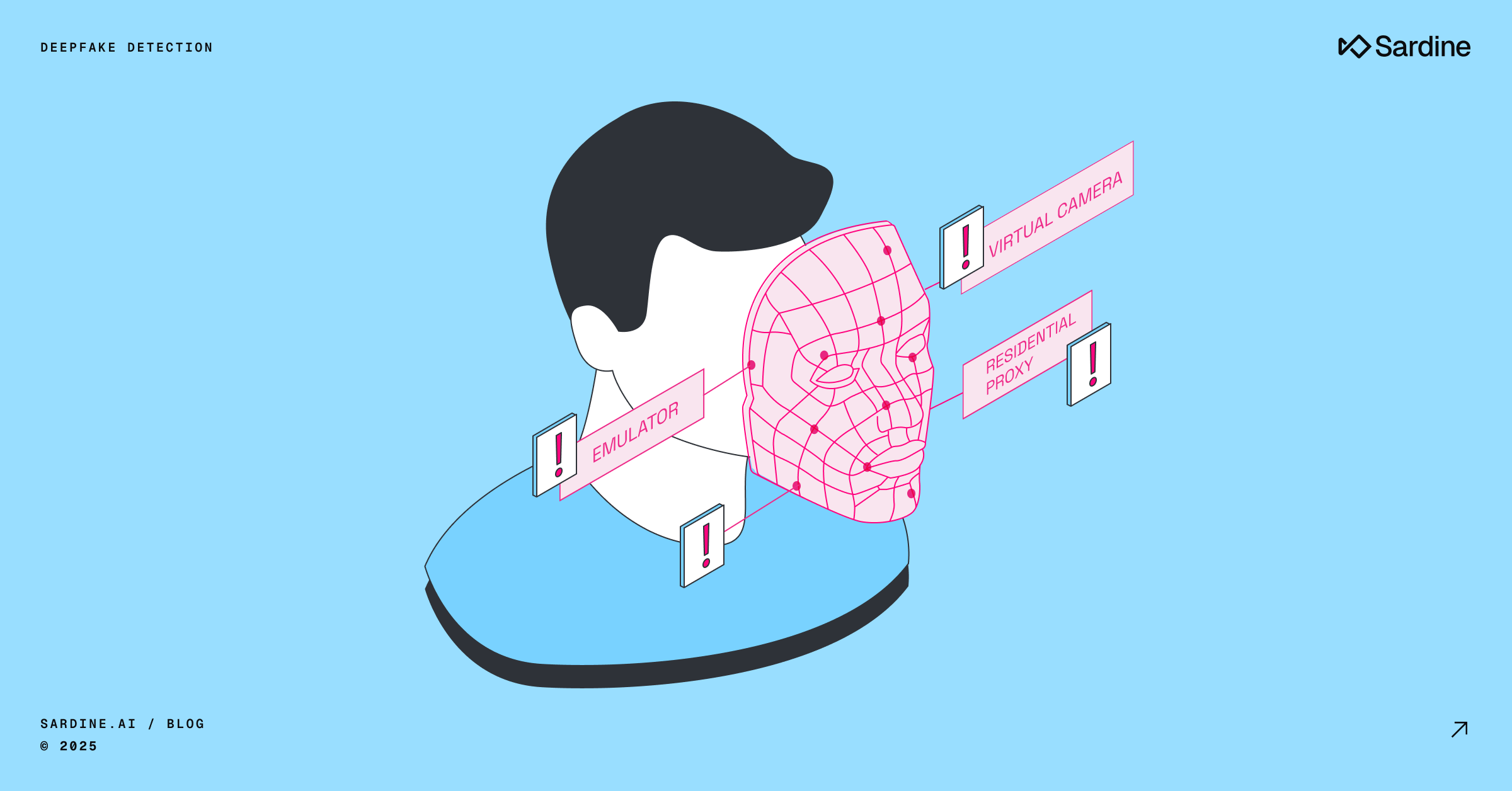
Hive’s insights reveal a stark reality: visible watermarks can be cropped, blurred, or erased by feeding media through another generator. Once stripped, distinguishing real from fake relies on subtle inconsistencies in pixel patterns, lighting anomalies, or frequency distortions. Their APIs scan images, videos, text, and audio, flagging deepfakes with precision tuned by massive datasets. Social platforms leverage this to label or remove misinformation preemptively, a critical bulwark against viral deception.
Hive AI’s Edge Over Watermark-Only Defenses
Hive trains models on billions of samples, learning which signals cluster in synthetic content versus authentic media. This data-driven method outperforms watermark dependency, as evidenced by their December 2024 U. S. Department of Defense contract worth $2.4 million. The deal bolsters national security by enabling decisive action against AI-generated threats. Unlike static markers, Hive’s detection adapts to evolving generators, spotting deepfakes even post-manipulation.
A visible watermark can be cropped out or removed by running the media through another AI generator. Once it is gone, it will be very hard for an individual to spot synthetic content.
This vulnerability underscores why platforms demand multifaceted tools. Hive’s Deepfake Detection API, launched to empower digital moderation, integrates seamlessly via simple code lines, supporting images, videos, and beyond. Reviews from 2025 highlight its broad scope, tackling synthetic voices and text alongside visuals, though skeptics on forums like Reddit note detectors fuel adversarial training loops. Still, Hive’s scale tilts the balance toward reliability.
Why Synthetic Media Watermark Integration Matters Now
While Hive AI has not announced direct synthetic media watermark integration as of February 2026, the synergy potential electrifies the field. Watermarks embed imperceptible markers during generation, ideal for provenance tracking and royalty enforcement. Pairing them with Hive’s signal analysis creates a dual-defense: watermarks verify origin if intact, while Hive catches evasions. This hybrid fortifies AI content verification tools against removal tactics, ensuring platforms and creators maintain control.
Imagine a workflow where watermarking tools from platforms like AI Watermark Hub tag content at creation, then Hive APIs scan distributions for authenticity. Royalties flow automatically via rails when markers align with detection verdicts. The Defense Innovation Unit’s collaboration with DoD amplifies this vision, pushing boundaries for military-grade verification. Evolving research blends these methods, promising near-perfect identification rates.
Real-World Signals Demanding Unified Approaches
Hive’s blog dissects why watermarks falter as sole guardians: generators mimic realistic signals, but statistical anomalies persist. Their models quantify these, achieving detection rates that outpace human moderators. For content creators and media firms, this means proactive defense. Integrate Hive post-watermarking to audit outputs, flagging 99% of altered synthetics in tests. The Reddit critique holds merit; detectors spur better fakes, yet Hive’s continuous retraining counters this cat-and-mouse dynamic effectively.
DoD’s investment signals institutional trust. $2.4 million funnels into enhancements, potentially paving watermark-compatible features. Platforms embedding Hive APIs already curb misinformation spread, with flags triggering labels or takedowns. As generative AI proliferates, this integration blueprint emerges: watermark for attribution, Hive for validation.
Early adopters report workflow boosts, scanning uploads in milliseconds. Combine with royalty rails, and monetization secures against unauthorized remixes. Hive’s agnostic stance, watermark-free by design, positions it perfectly for alliances. Field momentum builds; expect announcements merging these pillars soon. Until then, layering Hive atop watermarking yields immediate gains in trust and control.