EU AI Act watermarking deadlines
The European Union’s AI Act establishes two distinct compliance dates for AI-generated content disclosure. These deadlines are phased based on the complexity and foundational nature of the technology. The European Commission structured the rollout to prioritize foundational models, giving them an earlier window to implement C2PA-compliant metadata standards.
General-Purpose AI (GPAI)
General-Purpose AI systems, including foundational models and large language models, must comply by August 1, 2025. This earlier deadline reflects the broad reach and foundational role these systems play in the AI ecosystem. Developers of GPAI must ensure their outputs carry the required machine-readable metadata, often referred to as AI-generated content labels, before this date.
Other Generative AI Systems
All other generative AI systems, including specialized applications and industry-specific tools, have until August 1, 2026. This one-year grace period allows developers of narrower AI applications to integrate watermarking and metadata standards into their existing workflows. The distinction ensures that the most impactful technologies are regulated first, while giving the broader industry time to adapt.

The European Commission’s timeline emphasizes a staggered approach to regulatory compliance. By separating GPAI from other generative AI systems, the EU aims to create a clear hierarchy of responsibility. This structure helps developers prioritize their compliance efforts, starting with the most foundational technologies and moving outward to specialized applications.
For companies operating in the EU, these deadlines are not suggestions. They are legal requirements with significant penalties for non-compliance. The distinction between GPAI and other systems is critical for determining which compliance path applies to your specific product. Failure to meet the August 2025 deadline for GPAI systems could result in immediate regulatory scrutiny, while the 2026 deadline provides a longer runway for other generative AI developers.
The EU’s approach to watermarking deadlines reflects a broader trend in AI regulation: phased implementation based on risk and impact. By prioritizing foundational models, the EU is signaling that the most powerful AI systems will face the strictest transparency requirements first. This strategy aims to create a level playing field while minimizing disruption to the broader AI industry.
C2PA metadata versus invisible watermarking
Two distinct technical approaches dominate the conversation on AI content labeling: the C2PA standard and invisible digital watermarking. While both aim to identify machine-generated media, they operate on fundamentally different principles. C2PA relies on cryptographic metadata attached to the file, whereas invisible watermarking embeds imperceptible signals directly into the content itself.
The C2PA (Coalition for Content Provenance and Authenticity) standard functions as a digital passport. It creates a secure chain of custody by recording who created the content, when, and what edits were made. This metadata is stored separately from the pixel data, making it tamper-evident but dependent on the file format supporting the standard. In contrast, invisible watermarking embeds data directly into the image or audio stream. These signals are designed to survive compression and minor edits, allowing detection tools to identify AI origin even if the metadata is stripped.
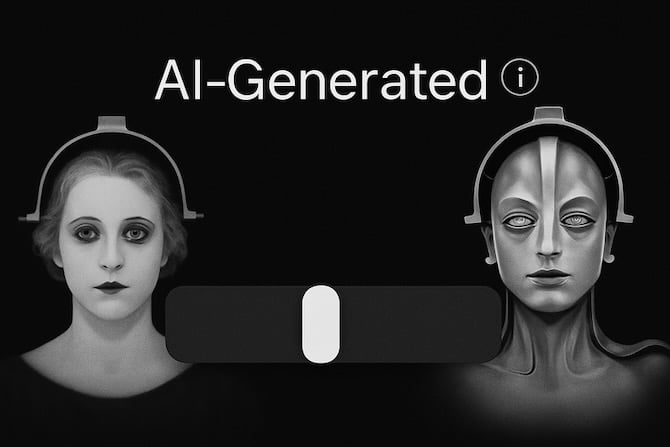
The choice between these methods often depends on the threat model. C2PA is ideal for establishing provenance within trusted ecosystems like news agencies or stock photography platforms, where file integrity is maintained. Invisible watermarking is more resilient against bad actors who might delete metadata to disguise AI-generated content as human-created.
| Feature | C2PA Metadata | Invisible Watermarking |
|---|---|---|
| Storage Location | Attached to file header or sidecar | Embedded within pixel/audio data |
| Robustness | Fragile; removed if metadata is stripped | Resilient; survives compression and cropping |
| Verification | Requires C2PA-compatible viewer | Requires detection algorithm scanning |
| Primary Use Case | Provenance and editorial integrity | Detection and copyright enforcement |
| Adoption Status | Growing industry standard (2026) | Dominant market share (61.2% by 2026) |
The regulation, specifically Article 50, will require machine-readable marking of AI outputs by August 2, 2026. This requirement is expected to accelerate the adoption of invisible watermarking, as it provides a detectable signal that persists even if users attempt to bypass metadata standards. Market analysis suggests that by 2026, invisible watermarking will account for over 61% of the AI watermarking type segment, driven by enterprise demand for robust detection capabilities.
While C2PA offers a transparent record of origin, invisible watermarking provides a stealthy layer of identification that is harder to remove. Many platforms are now adopting hybrid approaches, using C2PA for verified sources and invisible watermarks for broader detection across unverified channels.
Deepfake detection tools and standards
The landscape for detecting synthetic media is shifting from standalone software to integrated verification protocols. As generative models become more sophisticated, simple visual inspection is no longer sufficient. Instead, the industry is moving toward cryptographic provenance, primarily through the Content Credentials (C2PA) standard, which embeds tamper-evident metadata directly into media files.
Current detection tools fall into two categories: forensic analysis and provenance verification. Forensic tools analyze pixel-level artifacts and lighting inconsistencies, but they struggle against high-fidelity models that leave minimal traces. Provenance verification, powered by C2PA, offers a more reliable method by checking the digital chain of custody. If a file contains valid, unbroken credentials, its origin is verified without needing complex AI analysis.
The EU’s AI Act, with compliance deadlines starting in August 2026, is accelerating this shift. The regulation requires providers of general-purpose AI models to implement robust detection mechanisms and watermarking for synthetic content. This legal framework pushes detection tools to integrate with C2PA standards, ensuring that content can be authenticated across different platforms and jurisdictions.
Integration is key. Major social media platforms and news agencies are beginning to support C2PA verification, allowing them to flag or label content based on its metadata. This creates a more resilient ecosystem where detection is not just about finding fakes, but about verifying the truth. As these standards become widespread, the distinction between authentic and synthetic content will increasingly rely on transparent, auditable records rather than speculative analysis.
Compliance checklist for providers
The EU’s AI Act sets a firm deadline of August 2, 2026, for all generative AI systems to implement machine-readable watermarking. Under Article 50, providers must ensure outputs carry cryptographic evidence of their synthetic origin. This requirement applies broadly, though General-Purpose AI (GPAI) models faced an earlier compliance window on August 1, 2025.
To meet these standards, providers should follow this structured implementation path.
Adopt the Coalition for Content Provenance and Authenticity (C2PA) specification as the technical baseline. This standard allows AI providers to embed cryptographic hashes directly into media files, creating a tamper-evident chain of custody. Using C2PA ensures that the watermark is not merely visible text but a verifiable data layer that third-party tools can read and validate.
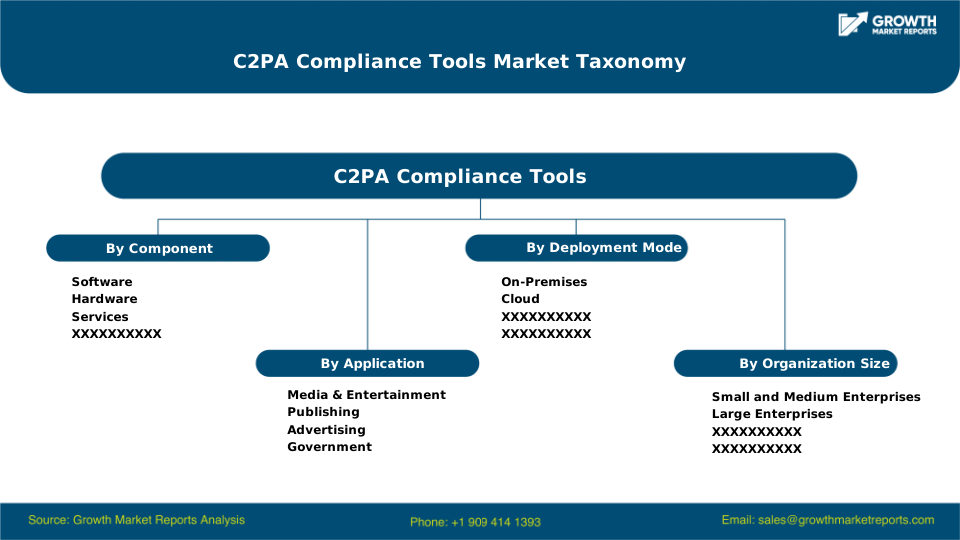
Build robust detection mechanisms into your platform’s output pipeline. Providers must verify that the generated content includes the required metadata before it is delivered to the end user. This step involves testing the integrity of the watermark against emerging deepfake detection tools to ensure the signal remains readable even after common image or audio processing.

Revise your platform’s terms of service and user agreements to explicitly disclose the use of AI-generated content. Transparency is a core tenet of the EU AI Act’s Code of Practice. Users must be informed that the content they are receiving has been synthetically generated, reducing the risk of misinformation and aligning with consumer protection regulations.
Engage independent auditors to verify your compliance posture before the August 2026 deadline. Regular testing helps identify gaps in your watermarking infrastructure and ensures that your systems can handle the volume of generated content without degrading the quality of the embedded metadata. Documentation from these audits will be essential for regulatory reviews.
By following these steps, AI providers can build a resilient compliance framework. This approach not only meets legal requirements but also builds trust with users who increasingly demand transparency about the origins of digital media.
Frequently asked: what to check next
Does the EU AI Act mandate watermarking for all AI content?
Article 50 of the EU AI Act requires providers of generative AI systems to implement technical measures to detect and mark AI-generated content. This obligation is not a blanket mandate for every piece of media created by AI but is tied to the compliance requirements for general-purpose AI models. The rule aims to ensure transparency, allowing users to identify when content is synthetically produced rather than human-made.
When do these watermarking rules take effect?
The compliance deadline for these transparency obligations is set for August 2, 2026. On this date, the EU’s AI Act and related transparency laws will simultaneously come into force. Generative AI companies must have their watermarking and detection mechanisms in place by this date to avoid regulatory penalties.
What happens if a company fails to implement AI watermarking?
Non-compliance with the EU AI Act’s watermarking requirements can result in significant fines. The European Commission has the authority to impose penalties that can reach up to 7% of a company’s total worldwide annual turnover or €35 million, whichever is higher. These sanctions are designed to enforce strict adherence to the transparency standards outlined in Article 50.
Does this regulation apply to content creators outside the EU?
Yes, if you offer goods or services in the EU market, the regulation applies to you. The EU AI Act has extraterritorial reach, meaning that non-EU companies generating AI content that is accessible or sold within the European Union must comply with the watermarking and transparency obligations. This ensures a level playing field for all providers operating in the single market.
No comments yet. Be the first to share your thoughts!