2026 AI content regulatory shifts
The regulatory landscape for synthetic media is shifting from voluntary guidelines to enforceable mandates. Two major legislative frameworks are establishing the baseline for AI watermarking standards in 2026, creating a dual-track compliance environment for content creators and technology providers.
California’s SB 942 (the California AI Transparency Act) takes effect on January 1, 2026. This law requires providers of generative AI systems to make detection tools available to the public at no cost. The mandate focuses on transparency and user access rather than imposing direct technical watermarking standards on the output itself, though it necessitates underlying detection capabilities.
Following that, the European Union’s AI Act introduces stricter requirements effective August 2, 2026. Under this regulation, providers of AI systems must mark their output as AI-generated content. This requirement is designed to be foundational for trust, often implemented through machine-readable watermarks that persist even after content is shared across platforms.
These dates establish the immediate operational reality for 2026. Compliance is no longer optional for entities operating within these jurisdictions. The distinction between the early January deadline in California and the August deadline in the EU allows for phased implementation, but the obligation to label synthetic media is now a fixed legal requirement.
C2PA vs. visible labels: technical approaches
Compliance with the EU AI Act (Article 50) and similar 2026 regulations requires content generators to signal AI origin. Two primary technical methods dominate the landscape: machine-readable C2PA credentials and visible labels. Each serves a distinct function in the authenticity verification chain.
Machine-readable credentials
The Content Authenticity Initiative (C2PA) standard embeds cryptographic metadata directly into the file. This metadata includes a hash of the content and a chain of custody detailing every modification. Because it is machine-readable, automated systems and verification tools can confirm the origin without human intervention. This approach is the preferred method for high-stakes verification, such as news media or legal evidence, where tamper resistance is paramount.
Visible overlays
Visible labels, such as watermarks or on-screen text, provide immediate human awareness. While less secure against manipulation than C2PA credentials, they serve a critical role in public transparency. Regulations often mandate these visible cues to ensure that end-users can quickly identify synthetic media. This method is particularly common in consumer-facing applications and social media platforms.

Comparison of approaches
The following table outlines the key differences between these two technical approaches regarding detectability, tamper resistance, and regulatory acceptance.
| Feature | C2PA Metadata | Visible Labels | Invisible Watermarks |
|---|---|---|---|
| Detectability | Requires verification tool | Instant human recognition | Requires specialized detection |
| Tamper Resistance | High (cryptographic hash) | Low (easily cropped) | Medium (can be degraded) |
| Regulatory Acceptance | Preferred for verification | Mandated for transparency | Emerging standard |
Choosing between these methods depends on the use case. For legal compliance and high-integrity verification, C2PA credentials provide the necessary technical backbone. For public-facing content, visible labels ensure immediate awareness. Many platforms now employ a hybrid approach, using C2PA for backend verification and visible labels for front-end transparency.
EU AI Act Article 50 obligations
The European Union’s AI Act, formally adopted in March 2024, introduces a mandatory transparency layer for generative AI providers. Article 50 specifically requires that outputs from AI systems be marked as artificially generated or modified. This mandate aims to ensure that users can distinguish between human-created and machine-generated content, addressing the growing prevalence of synthetic media across digital platforms.
The regulation applies broadly to providers of general-purpose AI models and specific generative AI systems operating within the EU market. Compliance is not optional; non-compliance risks significant fines under the EU AI Act enforcement framework. Providers must build technical mechanisms—such as digital watermarking or metadata tagging—into their systems to fulfill this obligation.
This requirement aligns with broader industry efforts like C2PA (Coalition for Content Provenance and Authenticity), which provides a technical framework for content credentials. While the EU mandates the what (marking outputs), the technical how often relies on these existing provenance standards. Providers must ensure their watermarking methods are robust enough to survive common file format conversions without degrading the content's usability.
The focus on transparency reflects a legislative intent to protect consumers from misinformation and copyright infringement. By forcing a visible or detectable marker on AI-generated content, the EU aims to create a more accountable digital ecosystem. For providers, this means integrating compliance into the core development lifecycle rather than treating it as an afterthought.
California SB 942 and detection tools
California’s approach to AI transparency diverges from the EU by mandating user-side access to detection capabilities. Under SB 942, covered entities must provide certain AI detection tools to users at no cost. This requirement shifts the burden of verification from passive watermark reading to active user empowerment, ensuring that consumers can independently assess the origin of AI-generated content.
The law does not take effect until January 1, 2026, giving providers time to integrate these tools into their platforms. While the EU AI Act focuses heavily on provider-side watermarking and labeling, California’s framework complements these efforts by ensuring that the detection infrastructure is accessible to the public. This dual-layer approach aims to create a more robust ecosystem for content authenticity, where both producers and consumers share responsibility for transparency.
Providers must ensure that these detection tools are readily available and functional for all users interacting with AI-generated outputs. The mandate applies to specific categories of AI services, particularly those that generate significant volumes of synthetic media. By requiring free access, the state aims to prevent the creation of a paywall for transparency, which could otherwise limit the effectiveness of the law.
This regulatory strategy reflects a broader trend in California to prioritize consumer protection and digital rights. As AI-generated content becomes increasingly prevalent, the state’s focus on accessible detection tools serves as a critical safeguard against misinformation. The implementation of SB 942 will likely influence other jurisdictions to adopt similar user-centric transparency measures.
Compliance checklist for content platforms
The EU AI Act mandates that platforms integrating generative AI content implement technical measures to identify synthetic media. Article 50 requires that providers and platforms ensure AI-generated content is clearly labeled. For 2026, this means adopting the Content Authenticity Initiative (C2PA) standard or equivalent metadata frameworks to maintain compliance.
Platforms must update their terms of service to explicitly prohibit the distribution of unmarked synthetic media where local law requires disclosure. This includes updating user agreements to define "synthetic content" and outlining penalties for non-compliance. Legal teams should review these updates against the latest guidance from the European Commission and state legislatures like California.
Embed C2PA verification tools into your content ingestion pipeline. Ensure that metadata signatures are preserved and validated upon upload. This step requires technical integration with existing content management systems to automatically detect and flag missing or invalid authenticity credentials.
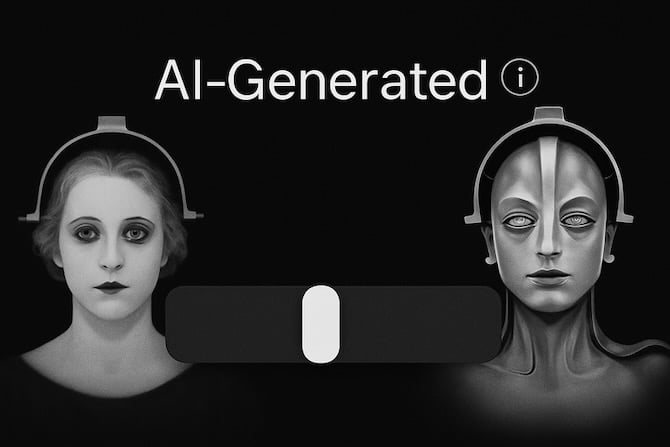
Revise platform policies to mandate labeling of AI-generated content. Define clear consequences for violations, including content removal or account suspension. Ensure these updates are effective immediately upon publication to align with the 2026 enforcement timelines.
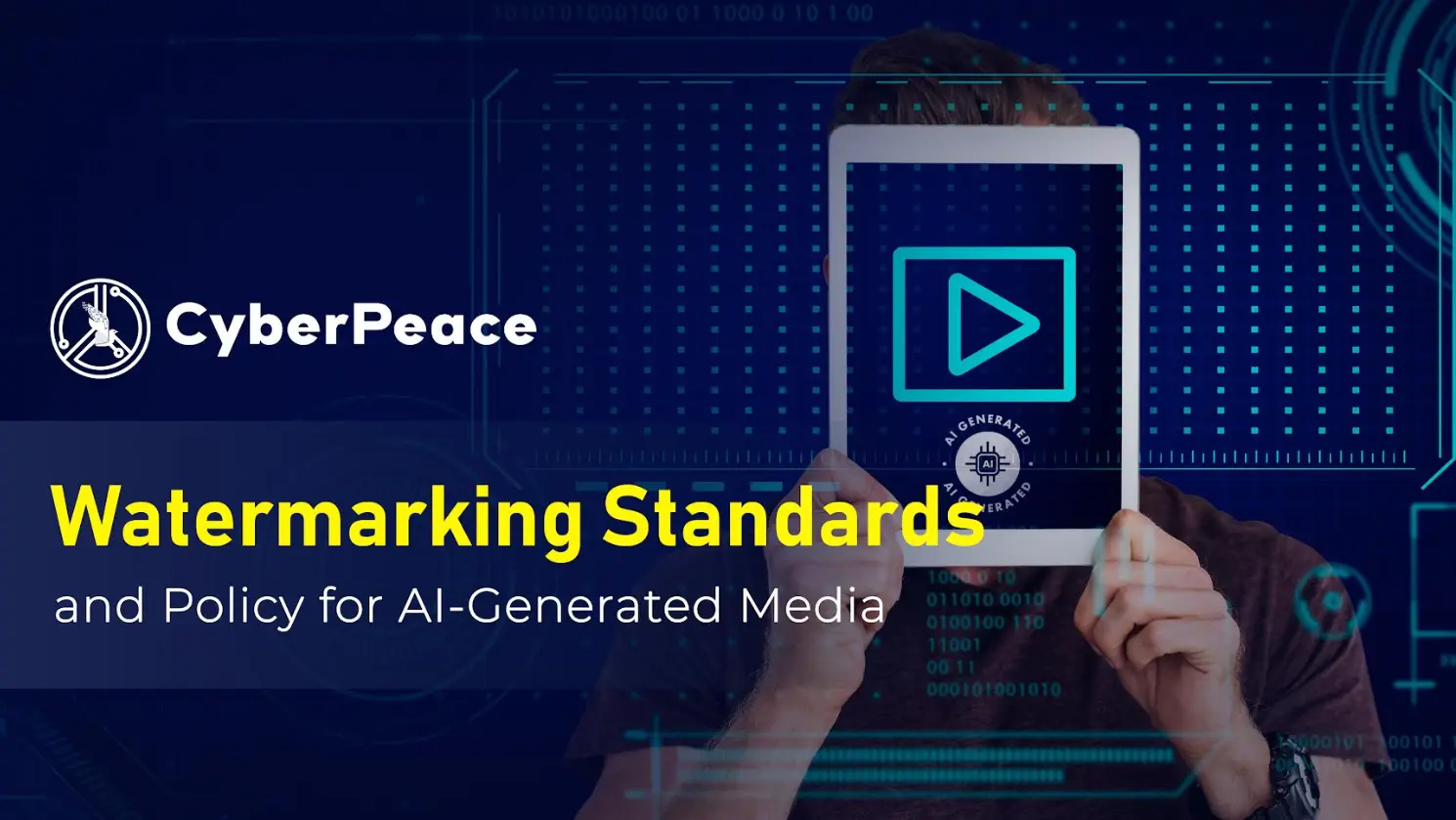
Deploy user-facing indicators for synthetic media. This may include on-screen overlays, metadata badges, or URL-level disclosures. The goal is to ensure end-users can easily distinguish between human-created and AI-generated content, fulfilling transparency requirements.
Regularly audit your detection and labeling systems for accuracy and accessibility. Verify that labels are visible to users with disabilities and that the system correctly identifies a wide range of synthetic media formats. Conduct quarterly compliance checks to ensure ongoing adherence to evolving standards.
Global Regulatory Timeline
The enforcement of AI watermarking standards is moving from legislative text to operational reality across major jurisdictions. These timelines establish the baseline for C2PA compliance, requiring systems to embed machine-readable authenticity data before public deployment.
California: January 1, 2026
California’s SB 942 takes effect on January 1, 2026. The law mandates that certain AI detection tools be made available to users at no cost. While the primary focus is on detection availability, the infrastructure supports the broader ecosystem of content authenticity verification required by C2PA standards.
European Union: August 2, 2026
The EU AI Act enforcement begins on August 2, 2026, with specific provisions under Article 50. This date marks the start of applicability for rules requiring machine-readable watermarks in generative AI outputs. The implementation serves as a foundational step for ensuring trust in digital content across the bloc [src-serp-1].
Compliance Sequence
Organizations must align their technical pipelines with these staggered deadlines. The California requirement precedes the EU mandate, providing a window for testing detection interoperability. Failure to embed these standards by the specified dates will result in non-compliance with local transparency laws.
Frequently asked questions about AI watermarking
Questions about AI watermarking often center on detection mechanics and regulatory scope. The following answers address common queries regarding C2PA compliance and content authenticity standards.
No comments yet. Be the first to share your thoughts!