
Imperceptible Watermarks That Survive AI Removal for Graphic Designer Client Proofs
In the fast-paced world of graphic design, sharing client proofs is a daily necessity, but it’s also a vulnerability. With AI tools now effortlessly stripping away traditional watermarks, designers face a stark reality: their work can be hijacked in seconds. Tools like free online removers and even Google’s Gemini model are turning client previews into stealable assets, leaving creators scrambling for better protection. This isn’t just a tech glitch; it’s a fundamental shift demanding imperceptible watermarks that defy AI removal.

The Surge in AI Watermark Removal Tools Targeting Designers
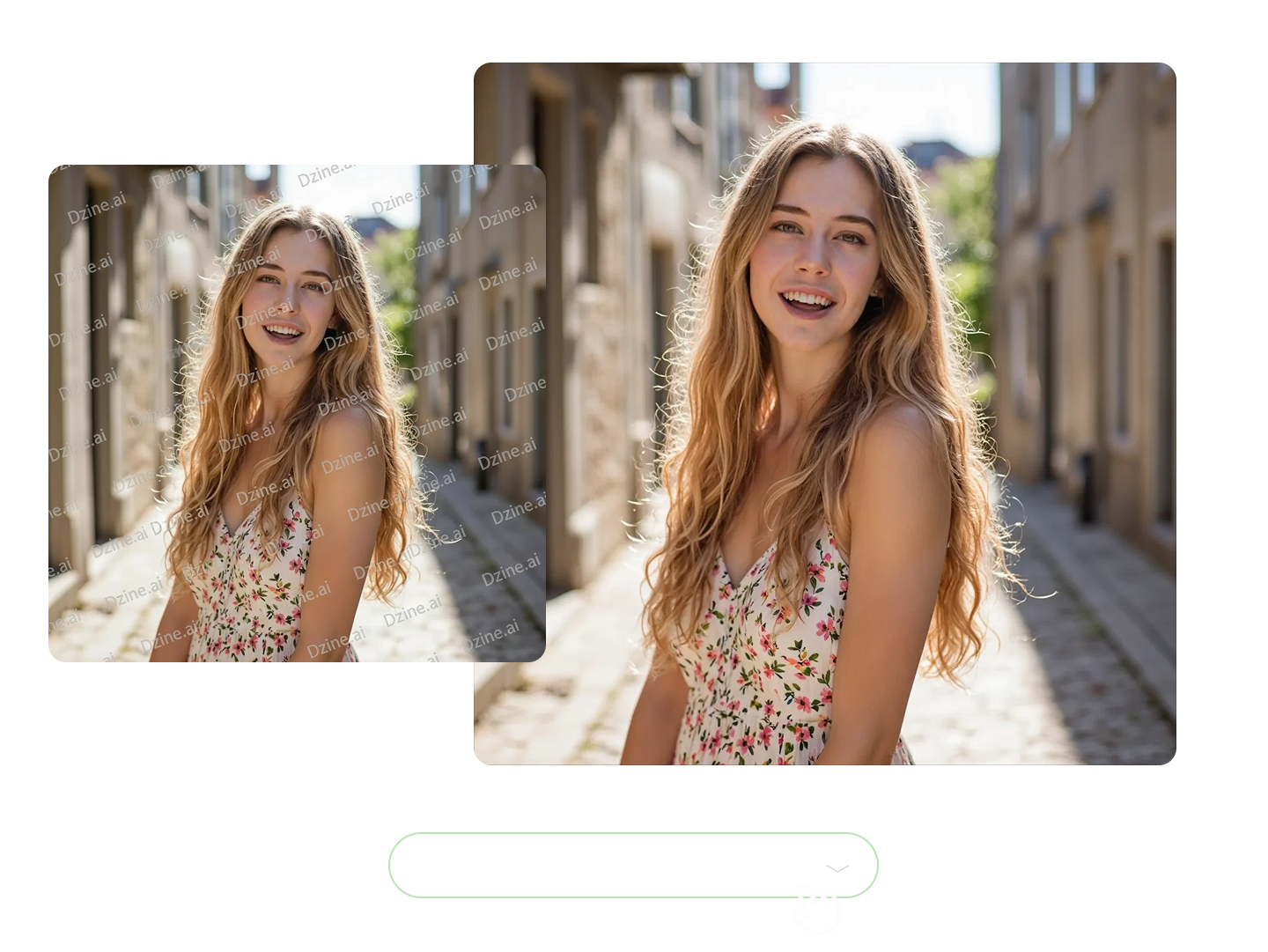
Recent buzz across platforms reveals how accessible these threats have become. A Medium post details a free AI tool where you upload an image, select auto or manual mode, and watch watermarks vanish in seconds; the author tested it on Gemini-generated images with flawless results. TechCrunch reports users leveraging Google’s new Gemini model for the same purpose, sparking social media frenzy. Reddit threads share workflows like the Flux-based one from exafloplabs. com, praised for perfect removals. YouTube creators demonstrate tools that not only erase logos but also objects and people, enhancing images in the process.
These aren’t fringe experiments. By 2026, lists like NoteGPT’s top five highlight high-quality removers, with Pixelbin offering no-signup solutions for clean results. Even text faces invisible character strippers. For graphic designers, this means client proofs shared via email or portals risk instant repurposing, undermining trust and revenue.

Why Existing Watermarks Crumble Under AI Scrutiny
University of Maryland researchers, including Soheil Feizi and Tom Goldstein, tested prevailing methods and shattered them all. Their studies show how generative models evade signals, reconstructing images sans traces. Diffusion-based editing noising and denoising erodes embedded data, as noted in emergentmind. com papers. Arxiv publications confirm invisible watermarks falter against these iterative assaults.
Graphic designers relying on visible overlays or basic invisibles encounter double jeopardy: proofs look amateurish or lose protection post-sharing. Facebook groups like Artists Against AI seek unremovable variants, blending viewability with resilience, yet current options fall short. This vulnerability hits hardest when proofs evolve into final deliverables; unauthorized tweaks or sales erode your creative control and royalty rails graphic design potential.
Emerging Imperceptible Watermarks Built to Endure
Hope lies in innovations like CLUE-Mark, embedding signals in diffusion models’ latent noise vectors. Imperceptible to the eye and robust without the secret key, it resists removal across manipulations. InvisMark steps up for high-res AI images, balancing stealth with durability against edits.
These approaches address core flaws by leveraging AI’s own mechanics, placing watermarks where removers can’t reach without the key. For designers, this translates to protect client design proofs AI strategies that maintain proof aesthetics while enabling detection later. Platforms advancing deepfake proof watermarking images integrate such tech, ensuring synthetic media stays traceable amid generative floods.
Consider the workflow: generate proofs with embedded markers via tools attuned to these methods. Share confidently, knowing AI removers hit walls. Detection verifies origins post-distribution, tying into royalty systems for automatic enforcement. This isn’t mere defense; it’s reclaiming agency in an AI-saturated ecosystem.
Platforms like AI Watermark Hub are at the forefront, offering these advanced techniques tailored for synthetic media. Their imperceptible watermarking embeds markers that survive not just basic edits but sophisticated AI assaults, ideal for AI watermark removal designers countermeasures. What sets them apart is the seamless blend with royalty rails, automating tracking and payouts when proofs morph into misused assets.
Shield Your Designs: Embed AI-Resistant Watermarks with CLUE-Mark

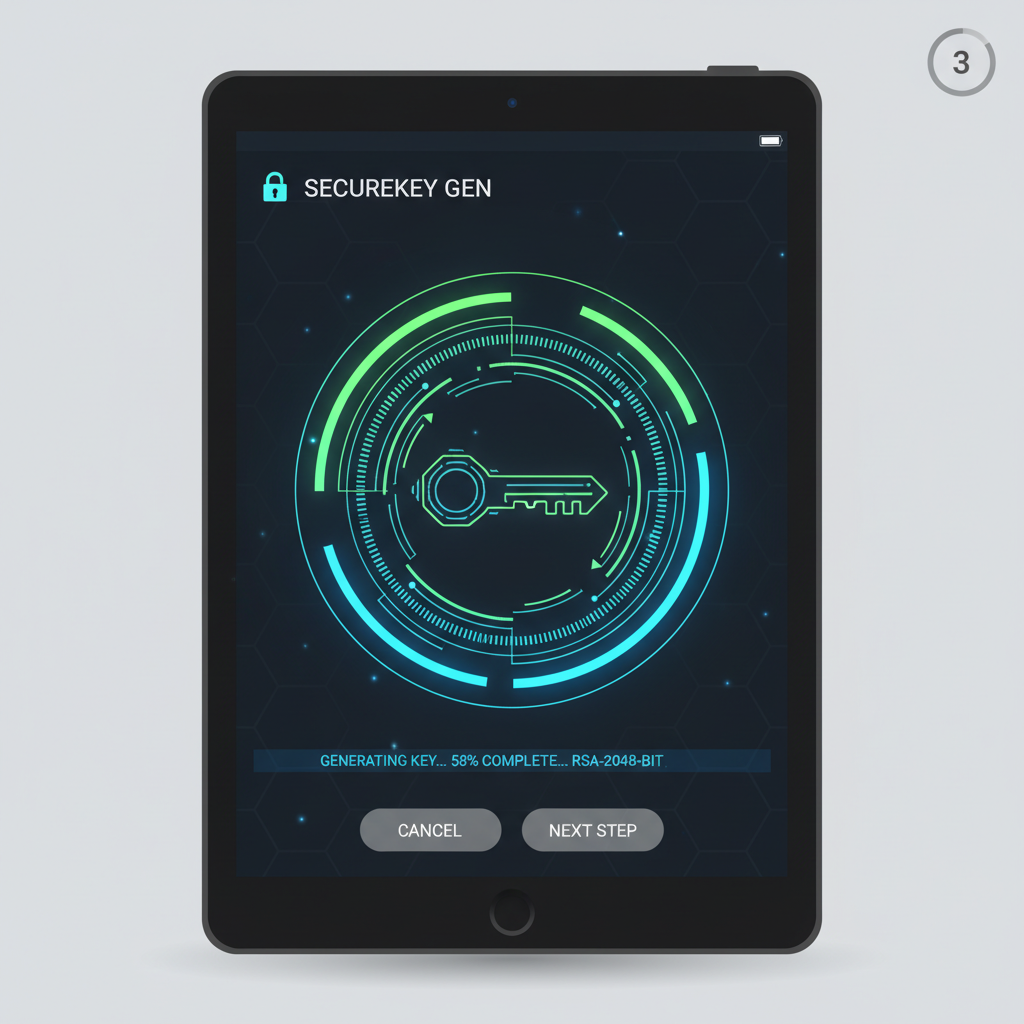
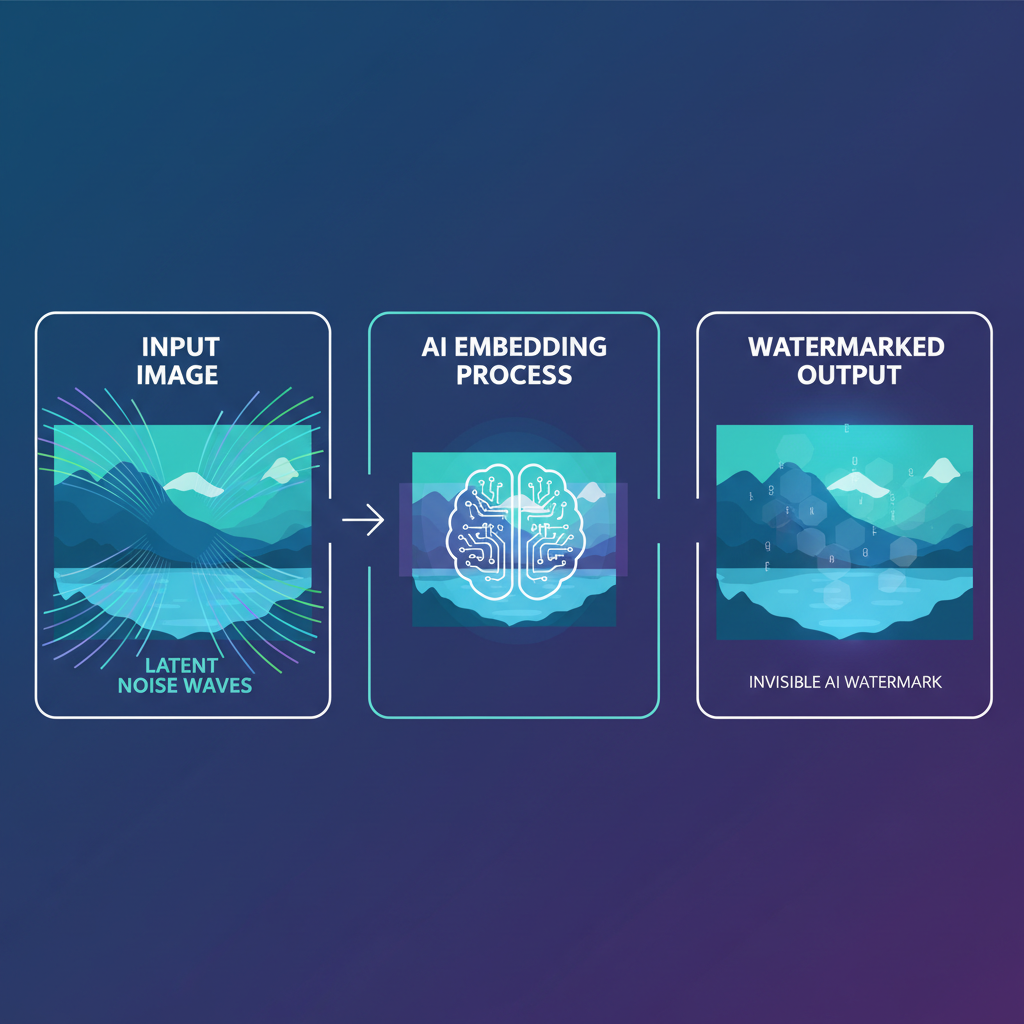
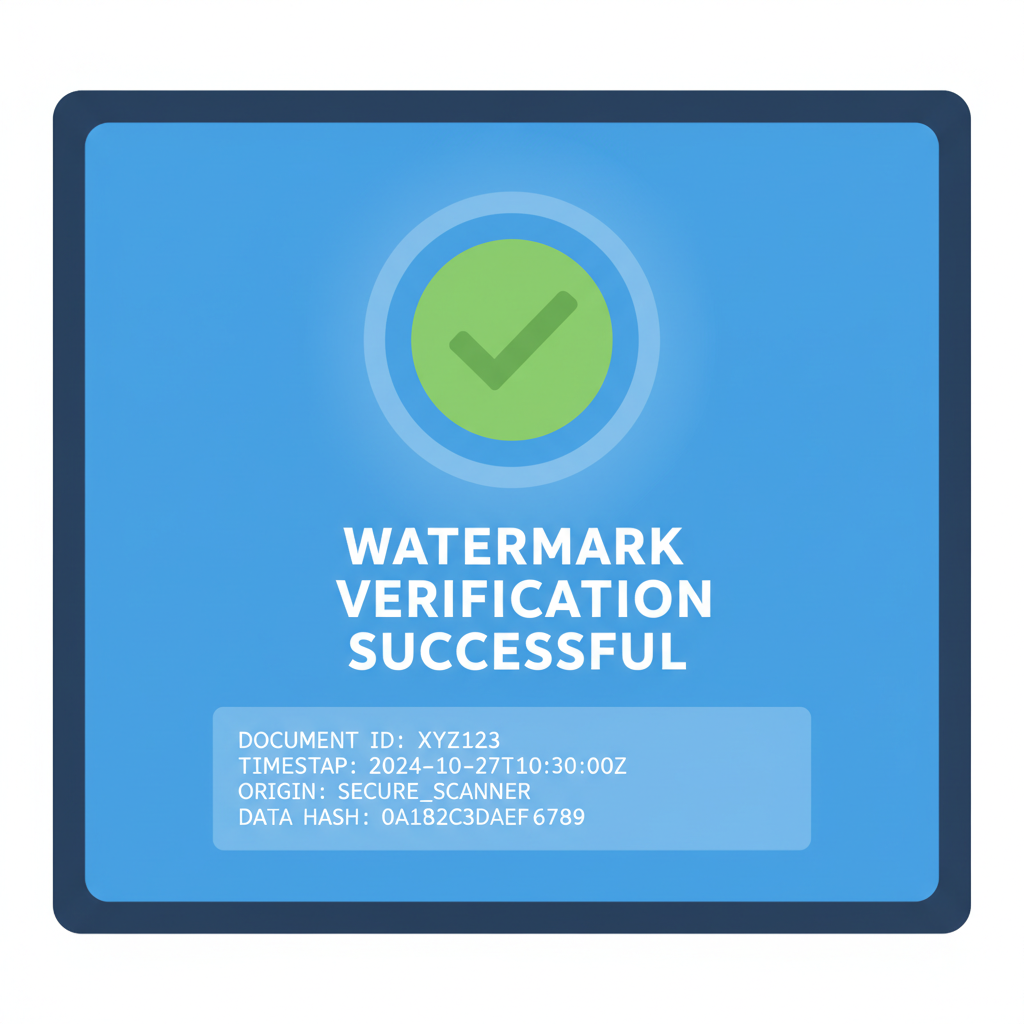
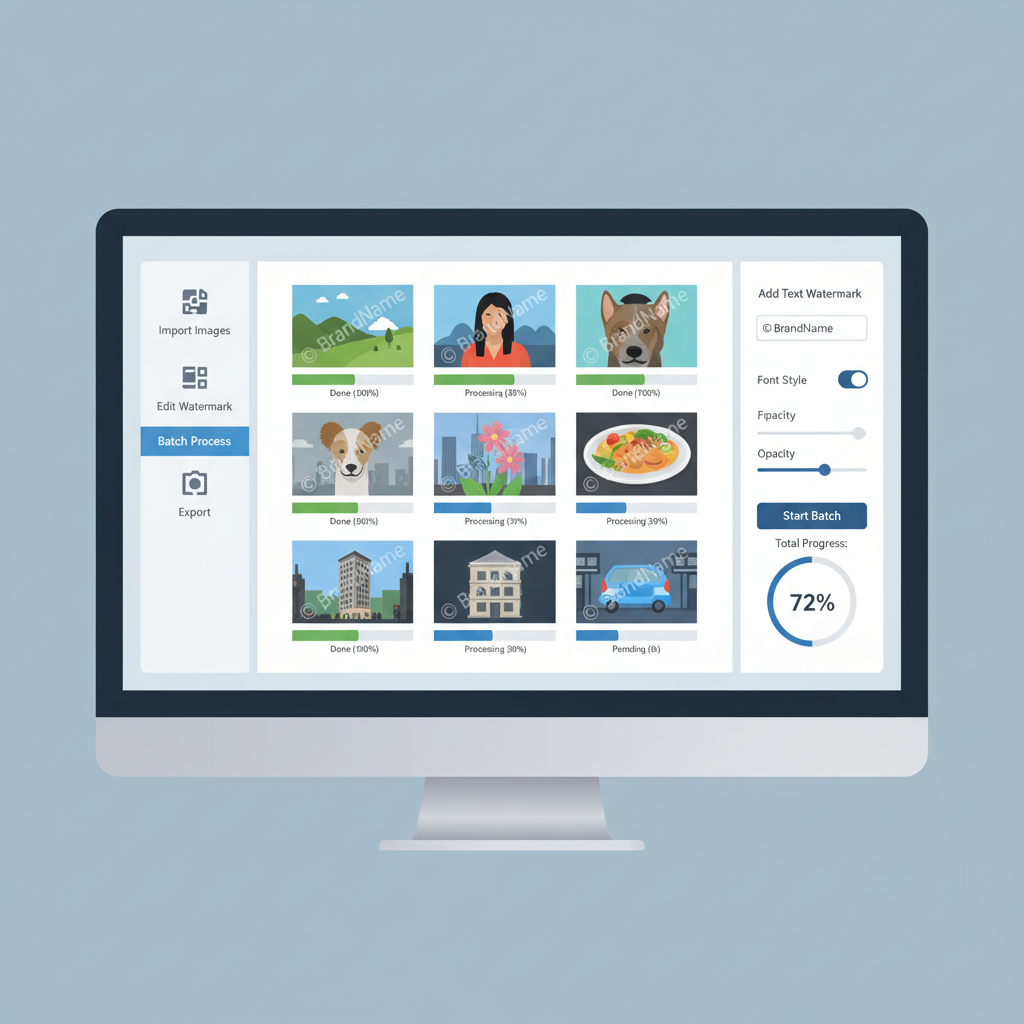
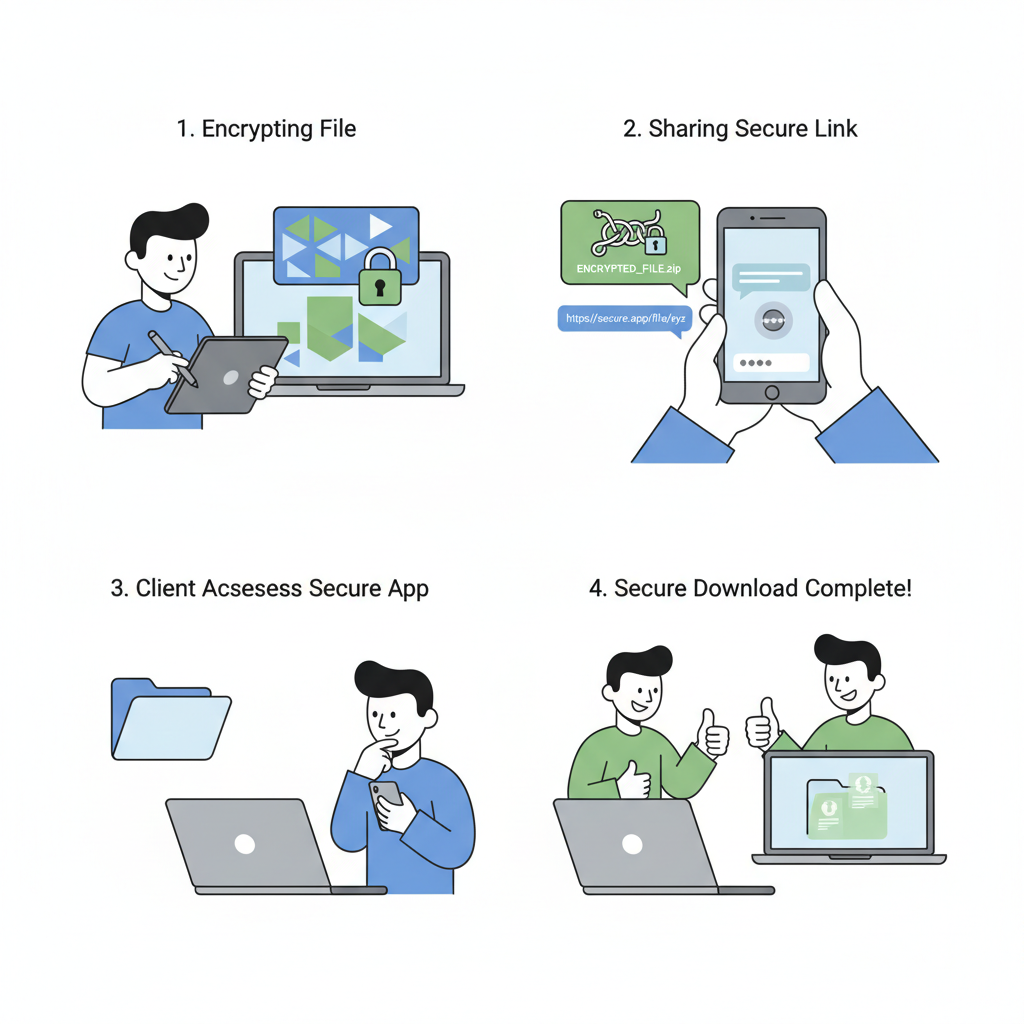
Once embedded, verification becomes straightforward with decoder keys held privately. Share via secure portals, and if a proof surfaces unauthorized, scan it against your database. This proactive stance shifts the power dynamic, turning potential theft into enforceable claims. Opinion: Too many creators still cling to visible slaps, diluting their professionalism; embracing invisibles elevates your brand while fortifying it.
Comparing Watermark Resilience: Old vs. New
Let’s break down how these stack up against the removal onslaught. Traditional methods buckle under diffusion models, but emerging ones hold firm through multiple attack vectors. This table highlights key differences, grounded in recent research.
Traditional vs. Advanced Watermarks: Beating AI Removal 🛡️🤖
| Method | Imperceptibility | AI Removal Resistance | Detection Reliability | Use Case for Designers |
|---|---|---|---|---|
| Traditional Visible 👁️ | Poor ❌ | Low 🚫 | High ✅ | Basic client previews, easily cropped/removed by AI tools |
| Traditional Invisible 😶 | High 👍 | Medium ⚠️ | Medium 🔍 | Steganographic proofs, vulnerable to diffusion models & Gemini inpainting |
| CLUE-Mark 🔮 | Excellent 👻 | High 🛡️ | High w/ key 🔑 | AI-generated proofs resistant to latent noise removal attacks |
| InvisMark ✨ | Excellent 🌟 | Very High 💪 | High 📊 | High-res client approvals surviving edits & manipulations |
Notice how CLUE-Mark and InvisMark score high across resilience metrics. They don’t just survive; they enable royalty rails graphic design by logging usage trails. A client proof edited for resale? The watermark persists, triggering automated royalty splits. This isn’t hypothetical; it’s the backbone of sustainable creator economies.
For high-stakes projects, layer in multi-modal watermarks covering images, vectors, and even exported videos. This holistic shield addresses the full spectrum of protect client design proofs AI needs. Detection APIs integrate effortlessly into review workflows, flagging anomalies before final handoff. Creatively, it frees you to experiment boldly, knowing intellectual property trails unbroken.
Watermarking evolves from nuisance to superpower when it harnesses AI’s underbelly. Designers who adapt now dictate terms in tomorrow’s marketplaces.
Challenges remain, sure. No method is invincible forever, as attackers iterate relentlessly. Yet, by prioritizing key-dependent schemes, you stay steps ahead. Pair with contractual clauses mandating watermark preservation, and educate clients on the stakes. The result? Proofs that dazzle without distraction, fortified for the wilds of distribution.
Envision a future where every shared mockup carries invisible ledgers, fueling deepfake proof watermarking images standards. Graphic designers lead this charge, blending artistry with tech savvy. Tools like those from AI Watermark Hub democratize access, turning vulnerability into velocity. Your next client proof isn’t just a preview; it’s a protected powerhouse, ready for whatever AI throws next.