
Understanding invisible AI watermarks
Invisible watermarks are statistical patterns embedded directly into the token selection process of generative AI models. Unlike visible metadata, which can be stripped by copy-pasting text or downloading an image file, these patterns are woven into the probability distribution of the output itself. When a model generates text, it selects the next word based on a calculated likelihood. Watermarking algorithms subtly bias this selection toward specific subsets of words, creating a detectable signature that survives editing and paraphrasing.
The mechanism relies on a secret key known only to the model provider. During generation, the algorithm partitions the vocabulary into two sets: a "green" list and a "red" list. The model is slightly more likely to choose words from the green list. While this bias is small enough to remain imperceptible to human readers, it creates a measurable statistical anomaly. Detection tools scan the output for this bias, calculating a p-value to determine the likelihood that the text was generated by a watermarked model.
This approach differs fundamentally from traditional copyright watermarks. You cannot simply "remove" an invisible watermark by deleting a header or changing the file format. Because the pattern exists in the word choices themselves, any attempt to alter the text without re-generating it from scratch risks destroying the watermark's statistical coherence or, conversely, failing to remove it if the underlying bias remains. Understanding this distinction is critical for verification: you are not looking for a tag, but for a mathematical fingerprint.
As AI models evolve in 2026, the sophistication of these watermarks has increased. Early implementations were vulnerable to simple paraphrasing, but newer techniques embed the signal more robustly across sentence structures and semantic layers. Detection accuracy now depends on analyzing these complex patterns rather than simple keyword matching. This makes invisible watermarks a more reliable tool for provenance, but also a more challenging target for those seeking to obscure AI origin.
Detecting watermarks in text content
Identifying AI-generated text requires a layered approach. Modern detection relies on statistical analysis of token probability and, increasingly, the identification of invisible digital signatures embedded by generative models. The following workflow outlines how to verify content authenticity using available tools and manual checks.
Begin by submitting the text to established AI detection APIs. These tools analyze perplexity and burstiness to flag likely machine-generated passages. While no tool offers 100% accuracy, consistent high-probability scores across multiple platforms serve as a strong initial indicator of synthetic origin.

Advanced AI systems often embed watermarks using zero-width characters—invisible Unicode characters that do not render in standard text editors. Use a specialized hex editor or a dedicated watermark detection tool to inspect the raw byte sequence of the document. The presence of non-printable characters in the header or body text is a definitive sign of AI watermarking.
Manual review remains essential. Look for repetitive sentence structures, overuse of transitional phrases, and a lack of specific, verifiable details. AI text often exhibits a uniform tone and avoids nuanced personal anecdotes or highly specific domain knowledge. Cross-reference any factual claims with primary sources to verify accuracy.
Removing AI Watermarks from Text
AI-generated text often contains invisible markers designed to flag content as synthetic. These watermarks typically rely on subtle statistical biases in token selection or hidden zero-width characters embedded directly into the file structure. Removing them requires a combination of structural rewriting and technical sanitization to ensure the content passes detection tools without losing its original meaning.



Research from the University of Maryland indicates that current watermarking methods are fragile and can be broken with relatively simple modifications (Feizi & Goldstein, 2024). While removing watermarks is technically straightforward, it is important to use these techniques ethically. Always ensure that the content you are modifying is for legitimate purposes, such as editing AI drafts for clarity or bypassing false positives in academic or professional settings.
KeyTakeaways items=['Manual rewriting is more effective than automated tools for breaking statistical patterns.','Strip zero-width characters to remove hidden technical markers.','Always verify the final text with multiple detection tools before publication.']
Verify Image and Video Provenance
Text watermarks are easy to spot, but synthetic media requires forensic verification. Tools like AWS Titan and Nova Canvas embed invisible digital signatures directly into pixel data. These signatures survive compression and cropping, allowing you to trace the origin of an image or video frame.
1. Run Forensic Detection Tools
Use specialized software to scan for hidden metadata and statistical anomalies. Look for tools that support the C2PA standard or specific model fingerprints like those from Amazon Bedrock. These tools analyze noise patterns that human eyes cannot detect.
2. Check for Invisible Watermarks
Some generators embed subtle pixel-level changes. Run your media through a dedicated watermark detector. If the tool flags a high confidence score, the content is likely synthetic. Do not rely on visual inspection alone.
3. Analyze Metadata and Hashes
Extract the file’s metadata using command-line tools or forensic suites. Look for discrepancies in creation dates, software tags, or hash values. A mismatch between the file header and actual content is a strong indicator of manipulation.
Essential tools for watermark analysis
Detecting and verifying AI-generated content requires specialized software that can identify hidden digital signatures. These tools analyze statistical patterns, frequency domain artifacts, and metadata anomalies that remain invisible to the naked eye. Choosing the right solution depends on whether you need to verify text, images, or audio.
The following comparison outlines the primary categories of detection software available in 2026. Each tool serves a distinct function in the verification workflow, from broad scanning to forensic-level analysis.
For most verification tasks, combining a heuristic scanner with a forensic tool provides the most reliable results. Browser extensions offer immediate feedback for casual checks, but they often miss sophisticated watermarking techniques. For legal or high-stakes verification, dedicated forensic suites that examine pixel-level inconsistencies and metadata chains are necessary.
If you are building a verification workflow, consider pairing these software tools with hardware that ensures data integrity during the capture process.

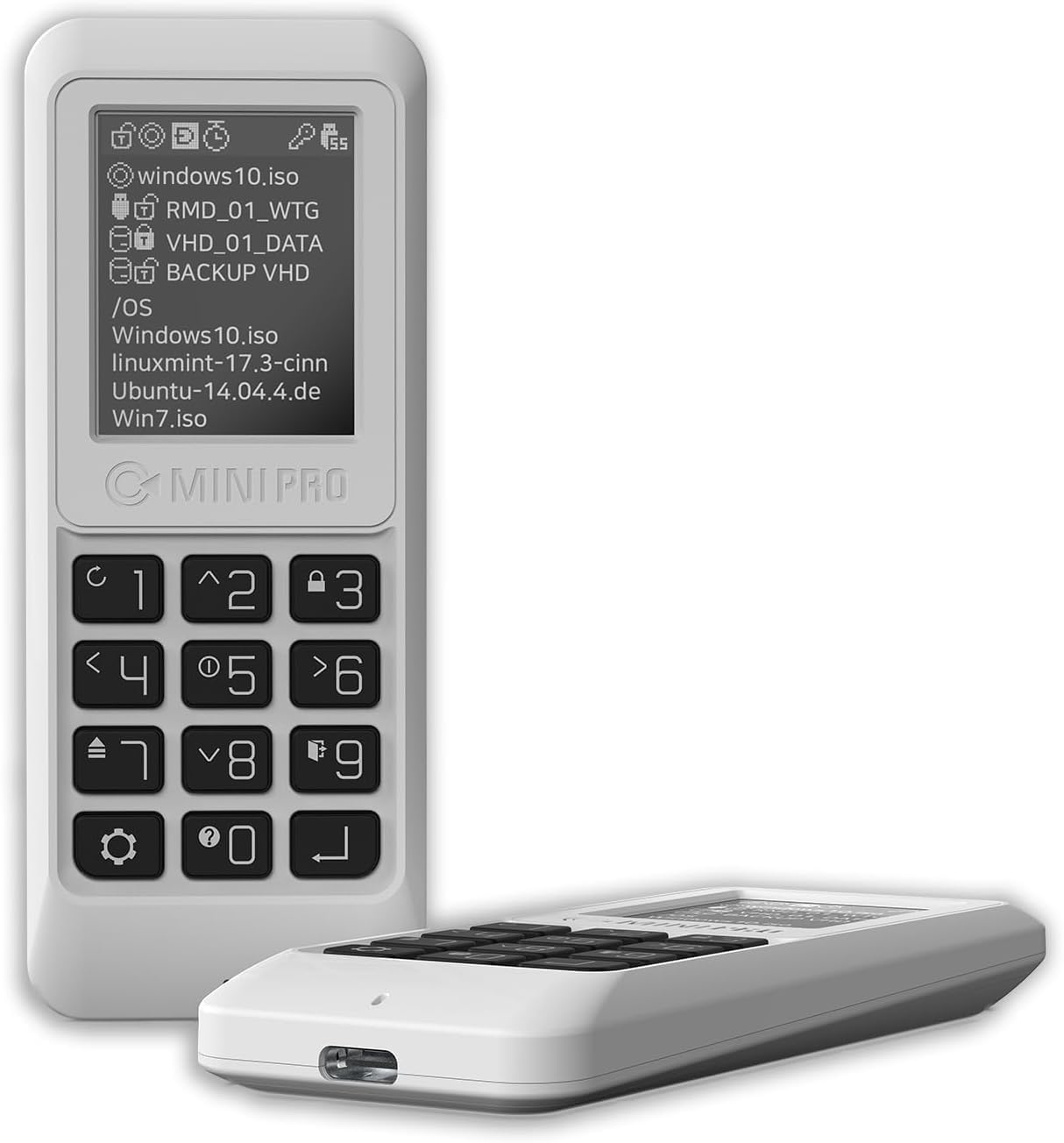
As an Amazon Associate, we may earn from qualifying purchases.
Common mistakes in watermark detection
Relying on a single detection tool creates a false sense of security. Watermark algorithms are not universal standards; they are specific implementations that vary by model and version. A tool that flags content as AI-generated based on one algorithm may miss content watermarked with a different method, or flag human-written text due to stylistic similarities. Always cross-reference results using multiple independent scanners to reduce the risk of false positives.
Another frequent error is assuming the watermark survives standard editing. Research from the University of Maryland demonstrates that current watermarking methods are fragile. Simple operations like paraphrasing, changing sentence structure, or even translating text back and forth can break the statistical patterns that detectors rely on. If the watermark is broken, the content appears indistinguishable from natural text, rendering the detection step useless.
Finally, do not treat detection as a binary pass/fail metric. Detection scores are probabilistic, not definitive. A high confidence score indicates a strong statistical match to the watermarking pattern, but it does not prove authorship. Context matters. Use detection as one signal in a broader verification workflow, combined with metadata analysis and human review, rather than as the sole authority on content origin.
Frequently asked questions about AI watermarks
How accurate is AI watermark detection in 2026? Detection tools vary significantly. While some systems identify specific cryptographic signatures embedded by models like GPT-4, others rely on statistical probability. Accuracy is rarely 100%, meaning false positives (flagging human writing) and false negatives (missing AI text) remain common risks.
Can AI watermarks be removed? Yes. Watermarks often consist of invisible zero-width characters or subtle phrasing patterns. Tools exist to strip these from Word, Pages, and plain text, though removing them may alter the original text structure. Always verify the final output for coherence after processing.
How to pass AI detection in 2026?
- Rephrase sentence structure and format.
- Spot and replace overused AI words.
- Use an AI text humanizer.
- Avoid repetitive keywords and phrases.
- Share personal anecdotes and perspectives.
- Use descriptive prompts.
- Use paraphrasing tools (with caveats).
- Use competent AI writing tools.
No comments yet. Be the first to share your thoughts!