The 2026 shift in AI content marking
The landscape of AI-generated text is undergoing a fundamental change. Moving past voluntary guidelines, major model providers and regulators are enforcing machine-readable watermarking. This shift is driven by the EU AI Act and new mandates from providers like Anthropic, marking a definitive end to the era of unmarked AI text.
Under Article 50 of the EU AI Act, all AI outputs must be "detectable as artificially generated." This legal requirement forces a technical standard that goes beyond simple text flags. It demands embedded, machine-readable signals that can be reliably detected by automated systems. This is not about human verification; it is about algorithmic transparency.
Anthropic has already aligned its infrastructure with these upcoming regulations. Claude models launched in the EU on or after August 2, 2026, will support machine-readable marking at launch. Generated text will carry embedded metadata that identifies its origin. This ensures that publishers and platforms can automatically flag content without relying on imperfect detection software.
For publishers, this changes the workflow. The focus shifts from trying to hide AI use to managing the metadata that accompanies it. AI watermark detection in 2026 is no longer a debate about ethics; it is a technical requirement for compliance. The invisible marks are now mandatory, creating a clear distinction between human and machine authorship in digital content.
How invisible watermarks work in text
AI watermark detection 2026 relies on embedding subtle statistical patterns or Unicode homoglyphs that remain invisible to readers but are detectable by algorithms. These marks act as digital fingerprints, allowing publishers and platforms to verify the origin of generated content without disrupting the reading experience.
Modern models like Anthropic’s Claude embed these signals by subtly shifting token probabilities during generation. Instead of choosing words based solely on semantic likelihood, the model introduces a hidden bias tied to a secret key. This creates a predictable statistical signature in the text’s structure. Detectors analyze this signature to confirm whether the content was produced by a specific AI system.
Some systems use Unicode homoglyphs—characters that look identical to standard letters but have different underlying code points. For example, a model might replace a standard "e" with a visually identical character from a different Unicode block. While readers see normal text, detection tools scan for these non-standard characters to identify AI-generated content.
These techniques are evolving rapidly. As of 2026, major models like Gemini and Claude support watermarking, while others, like ChatGPT, do not currently embed visible or statistical watermarks by default. The effectiveness of detection depends on the sophistication of the watermarking algorithm and the quality of the detection tools used to analyze it.
For publishers, understanding these mechanisms is crucial. It allows them to implement detection workflows that distinguish between human-written and AI-generated content. This distinction is increasingly important as AI-generated text becomes more prevalent in digital media.
Detecting AI watermarks in real workflows
AI Watermark Detection works best as a clear sequence: define the constraint, compare the realistic options, test the tradeoff, and choose the path with the fewest hidden costs. That order keeps the advice usable instead of decorative. After each step, pause long enough to check whether the recommendation still fits the reader's actual situation. If it depends on perfect timing, unusual access, or a best-case budget, include a simpler fallback.

Why AI watermark detection 2026 tools aren't foolproof
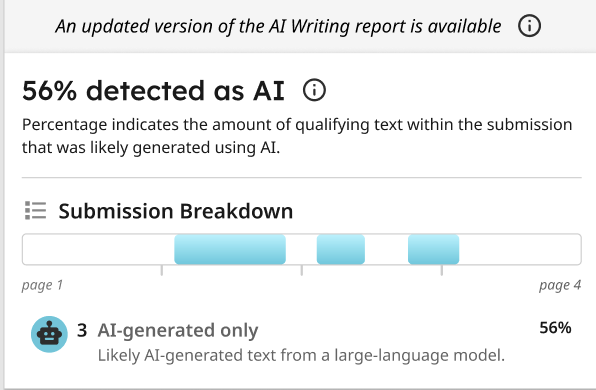
Even the most sophisticated AI watermark detection 2026 systems face a fundamental limitation: they are not infallible. The presence of a digital watermark does not guarantee that content is artificially generated, nor does its absence prove human authorship. Detection models operate on probability, not certainty, meaning false positives and negatives remain common, especially with short texts or highly edited content.
Watermarks are also surprisingly fragile. Simple editing techniques can strip them without altering the readable text. Paraphrasing, reordering sentences, or even adjusting punctuation can disrupt the statistical patterns that detectors rely on. As experts note, removing these marks is often trivial compared to the effort required to create them, leading to an ongoing cat-and-mouse game between detectors and content creators.
This fragility means that watermarking should be viewed as one layer of a broader content verification strategy, not a standalone solution. Relying solely on technical detection without editorial review or contextual analysis leaves publishers vulnerable to both missed AI content and incorrect accusations of plagiarism.
What this means for content creators
The rise of AI watermark detection in 2026 shifts the burden of proof from publishers to writers. As detection tools become standard across major platforms, the presence of invisible marks changes how editorial teams verify originality. Writers must now treat transparency as a core workflow step, not an afterthought.
Adapting to this landscape requires clear documentation. When using AI for drafting, brainstorming, or editing, keep a record of your prompts and revisions. This audit trail demonstrates human oversight and helps distinguish between assisted and automated content. It also protects your reputation against false positives from detection algorithms.
For publishers, the focus should shift toward verifying the provenance of submissions rather than relying solely on binary detection scores. A holistic review process that includes watermark checks alongside editorial judgment ensures higher quality standards. This approach builds trust with readers who value authenticity in an increasingly automated media environment.
Common questions about AI watermarks
As AI watermark detection 2026 becomes standard in publishing workflows, new questions about detection accuracy and platform policies emerge. Here are answers to the most frequent queries from editors and writers.
No comments yet. Be the first to share your thoughts!