2026 compliance deadlines for AI transparency
Regulatory frameworks for AI-generated content transition from advisory guidelines to enforceable law in 2026. Two major jurisdictions, the European Union and California, are establishing distinct but overlapping compliance requirements for AI watermarking and transparency. Organizations producing or distributing synthetic media must align their technical infrastructure with these mandates to avoid penalties.
California’s SB 942 takes effect on January 1, 2026. This legislation requires providers of generative AI tools to make detection tools available to users at no cost. The law focuses on empowering consumers to identify AI-generated content, particularly in contexts involving political advertising or public interest communications. California Legislature defines the scope of these obligations for covered entities.
The European Union’s AI Act introduces broader transparency obligations effective August 1, 2026. Under the Act, providers of generative AI models must ensure that output is marked in a machine-readable format to disclose its artificial origin. Failure to comply with these transparency requirements can result in fines of up to €15 million or 3% of global annual turnover, whichever is higher. EU AI Act establishes these standards as part of a risk-based regulatory framework.
The timeline for compliance is tight. Organizations must implement technical solutions for watermarking and detection tools before these respective deadlines. The divergence in dates and requirements between California and the EU necessitates a coordinated approach to content governance.
EU AI Act transparency rules
The European Union’s AI Act introduces binding transparency obligations for generative AI providers, with the core provisions taking effect on August 1, 2026 [[src-serp-2]]. These requirements mandate that providers inform users when content is artificially generated or manipulated. This disclosure is not merely a suggestion; it is a legal compliance requirement designed to prevent the spread of misinformation and maintain public trust in digital media.
Compliance hinges on two distinct layers: machine-readable metadata and visible consumer disclosure. The EU favors technical standards such as C2PA (Coalition for Content Provenance and Authenticity) to embed provenance data directly into files. This approach allows downstream platforms and users to verify the origin of content automatically. In parallel, providers must ensure that the AI-generated nature of the output is clear to the end-user, often through visible labeling or contextual warnings.
The enforcement mechanism for these rules is strict. Non-compliance can result in administrative fines of up to €15 million or 3% of total worldwide annual turnover, whichever is higher [[src-serp-2]]. This penalty structure underscores the EU’s intent to treat AI transparency as a fundamental market integrity issue rather than a voluntary best practice.
The majority of the AI Act’s transparency provisions, including these labeling and metadata requirements, become enforceable on August 1, 2026. Organizations must align their technical infrastructure before this date to avoid significant financial penalties.
While the EU sets the regulatory floor, other jurisdictions are watching closely. California, for instance, is developing its own legislative frameworks that may mirror or exceed these transparency standards. However, the EU AI Act remains the most comprehensive global benchmark for mandatory AI watermarking and provenance disclosure as of 2026.
California SB 942 requirements
California’s approach to AI transparency diverges from the European Union’s producer-centric model by focusing on user access. Under SB 942, the compliance requirement is not merely embedding watermarks, but ensuring that AI detection tools are available to the public at no cost. This mandate shifts the burden of verification from the content creator to the platform or service provider, aiming to empower users with the means to identify synthetic media.
While the EU AI Act emphasizes producer labeling and metadata integrity, California’s legislation prioritizes detection accessibility. This distinction creates a dual-layer compliance landscape for global platforms. The California law does not take effect until January 1, 2026, providing a specific timeline for technology providers to adjust their infrastructure. This contrasts with the broader EU AI Act provisions, which also see significant enforcement phases beginning around August 2026.
The following comparison highlights the structural differences between the two regulatory frameworks:
This regulatory divergence requires organizations to implement distinct technical solutions for each jurisdiction. While the EU mandates the presence of machine-readable watermarks, California requires the deployment of free-to-use detection interfaces. Compliance strategies must account for both the integrity of the content source and the availability of verification tools for the end consumer.
C2PA and technical standards
Compliance under the EU AI Act and California regulations relies on standardized technical infrastructure to verify content origin. The Coalition for Content Provenance and Authenticity (C2PA) provides the open specification for this verification. By embedding cryptographic signatures into metadata, C2PA creates a tamper-evident record of a file’s history. This standard ensures that claims about an image’s origin can be independently audited.
Google’s SynthID represents a parallel technical approach focused on embedding imperceptible signals directly into the content itself. Unlike metadata, which can be stripped, SynthID embeds watermarks into the pixel data or text structure. This allows detection even after the content has been cropped, resized, or shared across platforms. Both technologies aim to provide a "source of truth" for authenticity in an era of synthetic media.
The implementation of these standards is tied to specific regulatory deadlines. Under the EU AI Act, providers of general-purpose AI models must disclose when content is AI-generated, with enforcement mechanisms tightening toward August 1, 2026. California’s legislation, particularly regarding political advertising and digital manipulation, requires clear labeling by January 1, 2026. C2PA and SynthID serve as the technical backbone for meeting these disclosure requirements.
Implementation checklist for creators
Compliance with the EU AI Act and California regulations requires a structured workflow to verify AI-generated content before publication. Creators must align their technical pipelines with the C2PA standard to ensure metadata integrity. The following steps outline the necessary actions to meet the August 1, 2026, EU deadline and the January 1, 2026, California reporting requirements.

Begin by cataloging all AI-assisted outputs. Identify which assets rely on generative models and determine if they currently contain embedded provenance data. This audit establishes the baseline for compliance with Article 50 of the EU AI Act.
Embed C2PA (Coalition for Content Provenance and Authenticity) manifests into all AI-generated files. This cryptographic signature verifies the origin and editing history of the content, satisfying the transparency mandates enforced by both the European Union and California law.
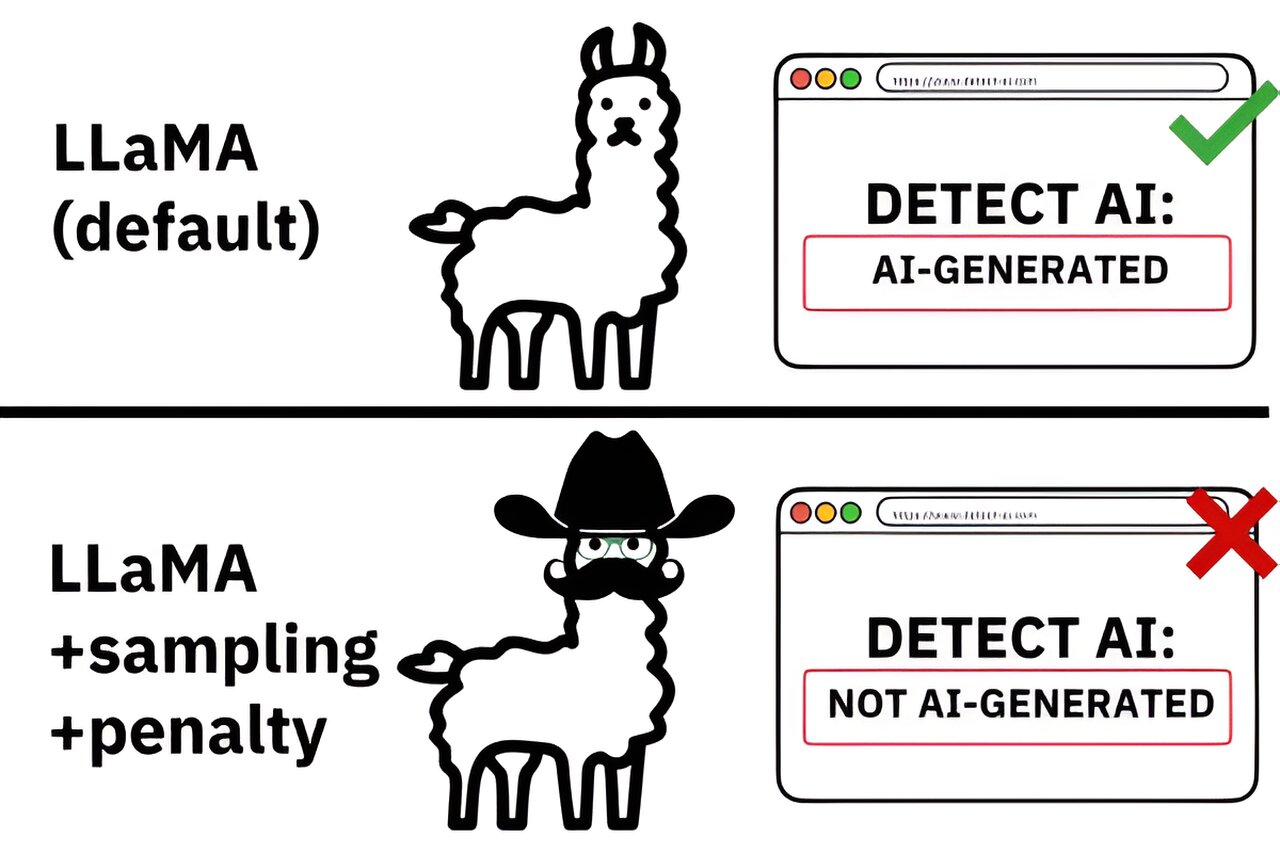
Ensure your publishing platform integrates with official AI detection APIs. Tools must be capable of recognizing C2PA signatures and identifying synthetic patterns. Regular testing against updated detection models is required to maintain accuracy as the technology evolves.
-
Conduct full audit of AI-generated assets by Q3 2026
-
Implement C2PA manifest embedding in all production pipelines
-
Verify detection API integration with latest EU/California standards
-
Document retention of provenance data for legal review
Protecting art in 2026
AI watermarking serves as a foundational layer of digital copyright protection and attribution. By embedding imperceptible yet detectable signals into content, creators and platforms can verify the origin of AI-generated material. This technology distinguishes between human-created and machine-generated works, addressing the growing need for transparency in digital media.
In the European Union, compliance requirements under the AI Act, effective August 1, 2026, mandate that providers of generative AI systems disclose when content is artificially generated. This disclosure often relies on watermarking standards to ensure traceability. Similarly, California regulations taking effect January 1, 2026, require clear labeling of AI-generated content in certain contexts, particularly regarding public interest and misinformation prevention.
These invisible watermarks are embedded into metadata or pixel patterns, making them resilient against common edits like resizing or cropping. AI-detectable signatures allow verification tools to identify the source even after significant manipulation. This technical infrastructure supports legal frameworks by providing a verifiable link between the content and its creator or generator, reducing the risk of unauthorized use and misattribution.
No comments yet. Be the first to share your thoughts!